Specjalne nity
Produkty

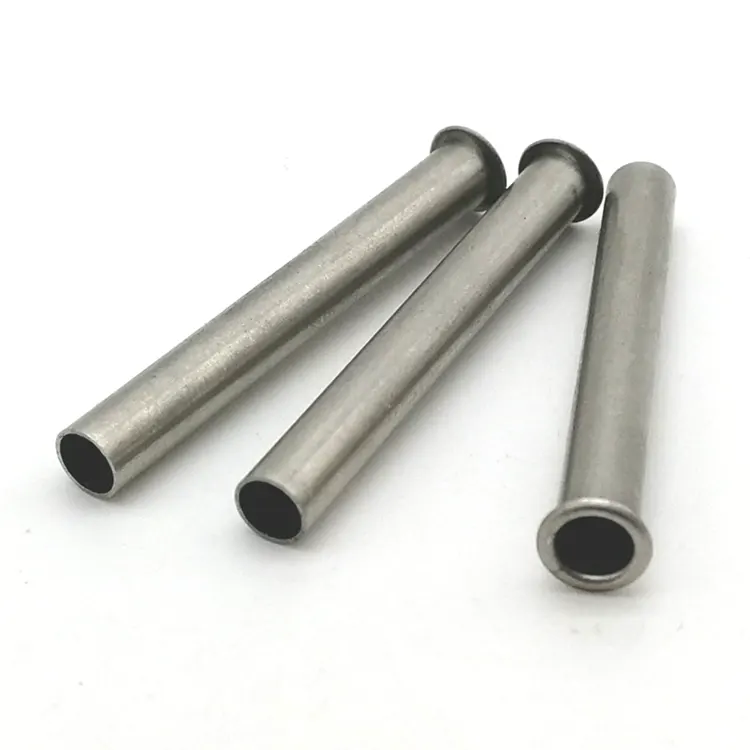
- View as
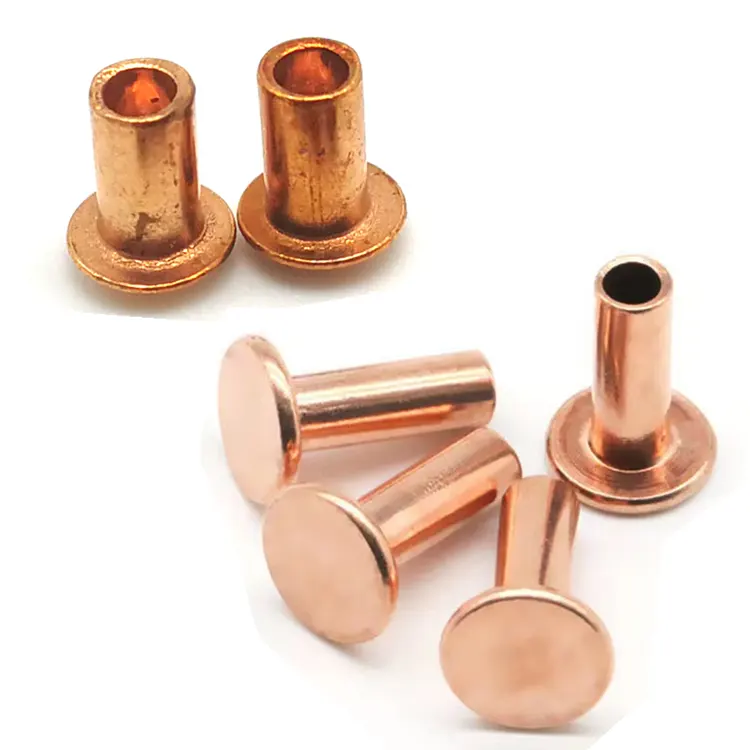
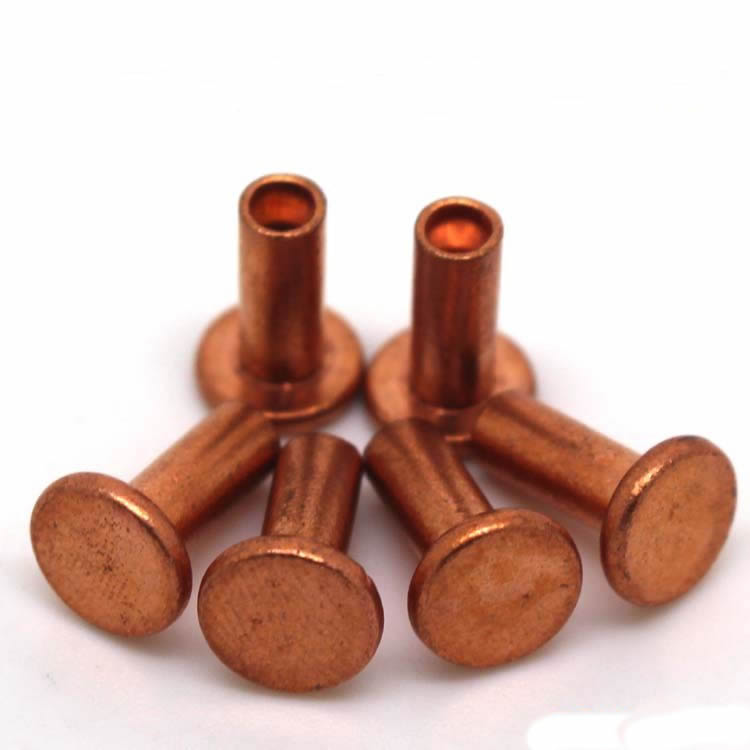
Nity miedziane
Nuote Metals to profesjonalny producent nitów z siedzibą w Dongguan w Chinach. Produkowane przez nas nity miedziane wykonane są z miedzi C1100. Nity miedziane są powszechnie stosowanym elementem złącznym. Miedź ma doskonałą przewodność cieplną, dzięki czemu jest szeroko stosowana w zastosowaniach elektrycznych i rozpraszania ciepła. Ponadto nity miedziane zapewniają doskonałą obrabialność i plastyczność, co pozwala na ich produkcję w różnych kształtach i rozmiarach.
Czytaj więcejWyślij zapytanie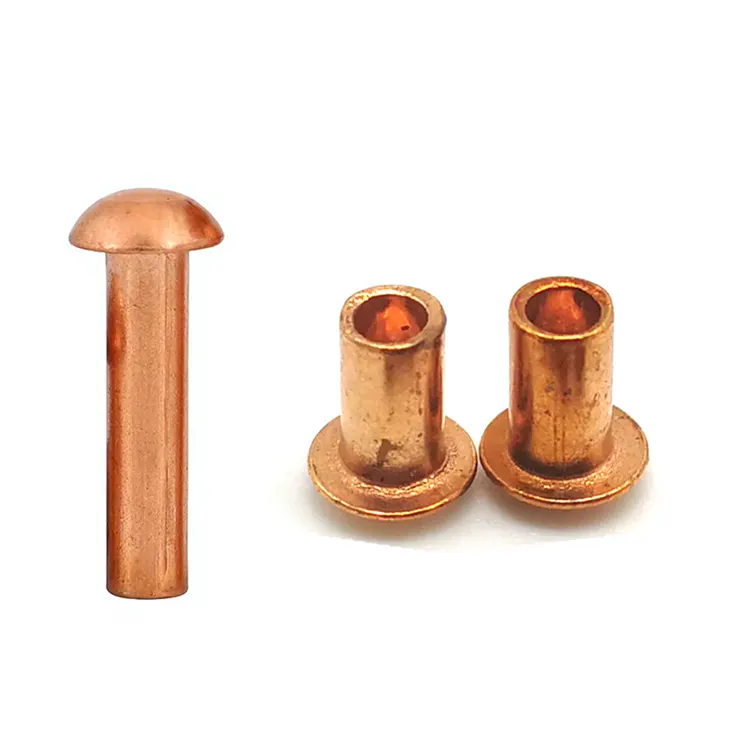
Nity miedziane z łbem stożkowym
Nity miedziane z łbem stożkowym charakteryzują się wysoką czystością i zapewniają doskonałą przewodność, dzięki czemu nadają się do zastosowań wymagających wysokiej przewodności. Nuote Metals specjalizuje się w produkcji miedzianych nitów z łbem stożkowym. Stosujemy gatunki o wysokiej zawartości miedzi, takie jak C1100, ale możemy również wyprodukować gatunki niestandardowe. Nasze nity miedziane są poddawane specjalnej obróbce powierzchniowej, aby były odporne na utlenianie i wytrzymywały 48-godzinny test mgły solnej.
Czytaj więcejWyślij zapytanie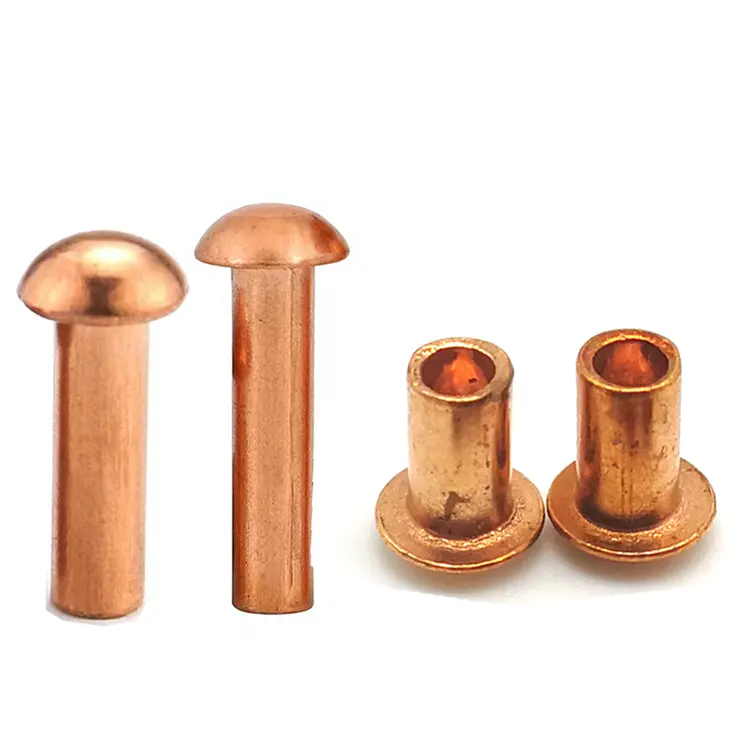
Nity z łbem grzybkowym miedzianym
Nity miedziane z łbem grzybkowym to elementy mechaniczne służące do łączenia dwóch lub więcej materiałów. Zwykle mają główkę w kształcie grzyba i pełny lub półpusty pręt na drugim końcu. Podczas montażu drugi koniec jest wbijany młotkiem lub uderzany specjalną maszyną do nitowania, co powoduje jego rozszerzenie i uformowanie drugiego łba, który następnie zatrzaskuje się na swoim miejscu. Nuote Metals specjalizuje się w miedzianych nitach grzybkowych. Oferujemy szeroką gamę specyfikacji nitów i wykorzystujemy ponad 40 maszyn nitujących o różnych rozmiarach, aby sprostać potrzebom klientów.
Czytaj więcejWyślij zapytanie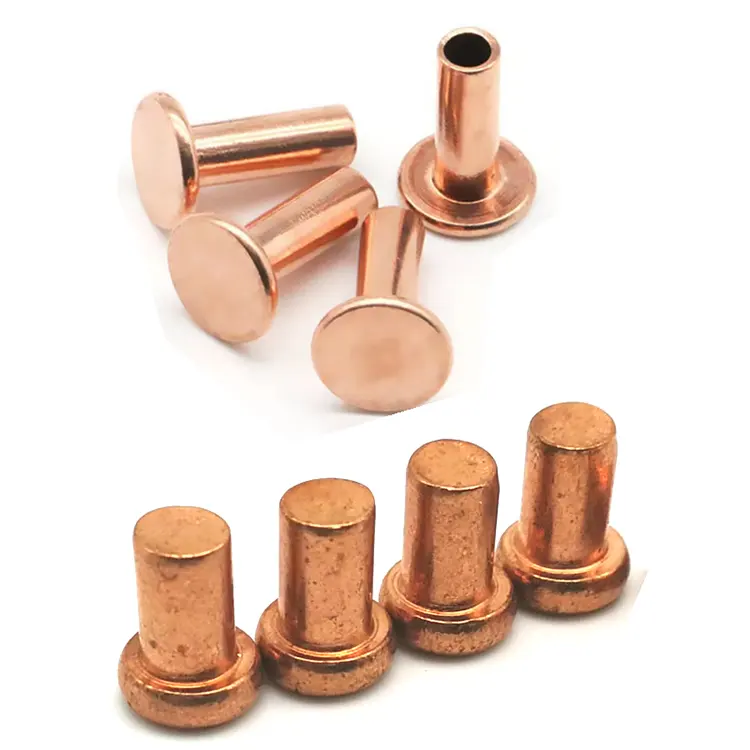
Nity miedziane z łbem płaskim
Nuote Metals z siedzibą w Dongguan w Chinach jest profesjonalnym producentem nitów. Nasze nity charakteryzują się wysoką jakością i gwarancją dostawy, dzięki czemu cieszą się dobrą opinią wśród klientów krajowych i międzynarodowych. Nasze miedziane nity z łbem płaskim są wykonane z wysokiej jakości miedzi, dzięki czemu mają gładką, delikatną powierzchnię i są stabilne i mocne w dotyku. Ich płaska konstrukcja nie tylko zwiększa powierzchnię styku, ale także skutecznie rozprasza nacisk, zapewniając bardziej stabilne połączenie.
Czytaj więcejWyślij zapytanie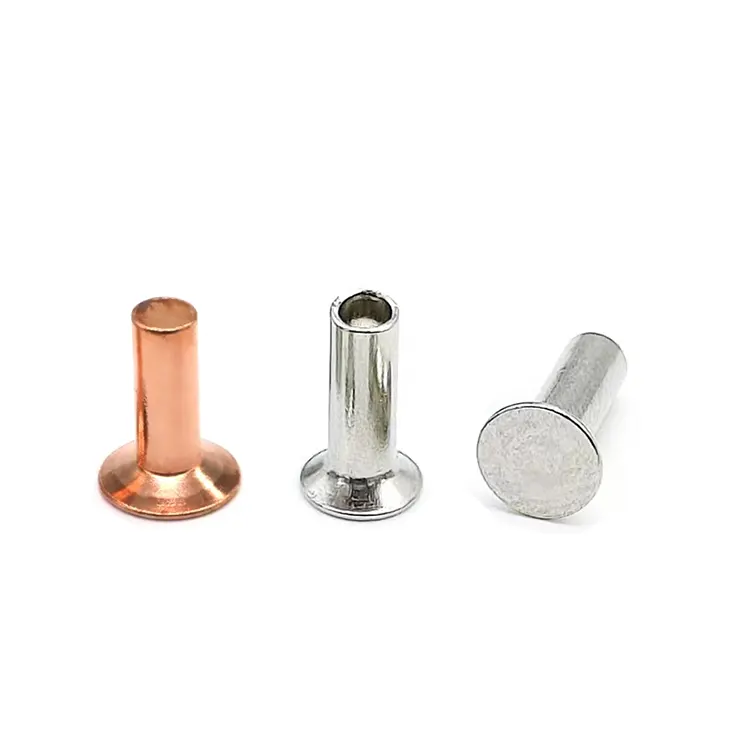
Nity z łbem stożkowym miedzianym
Nity z łbem stożkowym miedzianym produkowane przez firmę Nuote Metals w Chinach to powszechnie stosowane metalowe elementy złączne stosowane głównie w produkcji maszyn, sprzętu elektronicznego, montażu mebli i innych dziedzinach przemysłu. Jako tradycyjny materiał metaliczny miedź charakteryzuje się doskonałą przewodnością elektryczną i cieplną oraz odpornością na korozję, co czyni ją popularną w określonych zastosowaniach. Nity z łbem stożkowym to elementy złączne produkowane w procesie kucia na zimno lub kucia na gorąco. Ich prosta konstrukcja wymaga narzędzi do nitowania, aby stworzyć specjalistyczne połączenie.
Czytaj więcejWyślij zapytanie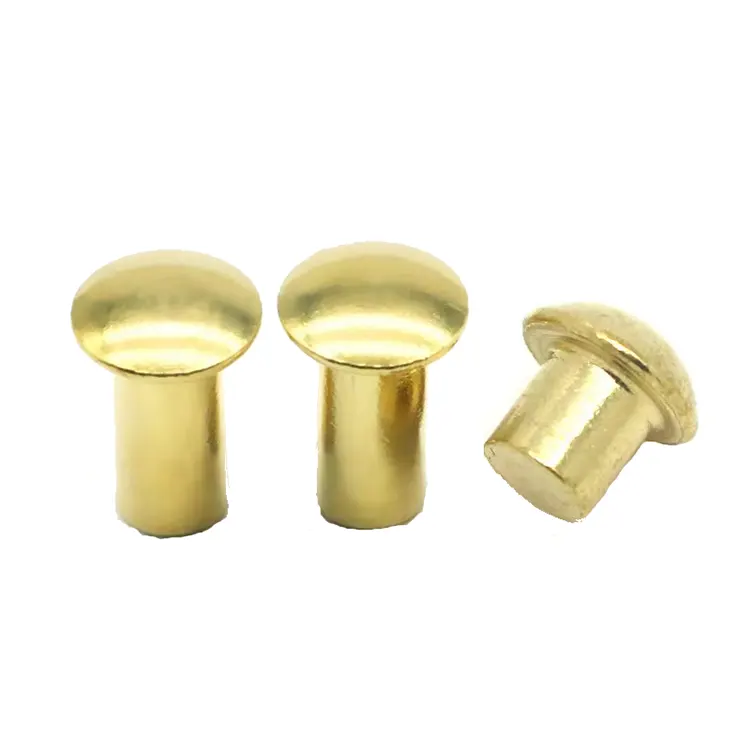
Nity z łbem okrągłym z mosiądzu
Nuote Metals specjalizuje się w produkcji i sprzedaży mosiężnych nitów z łbem okrągłym. Znajdujemy się w Dongguan w Chinach, mieście o silnym rozwoju przemysłowym. Nasze miedziane nity z łbem półwypukłym składają się z trzpienia i kołpaka wykonanych ze stopu mosiądzu. Częściowo wypukła konstrukcja głowicy zapewnia równomierny rozkład nacisku, zapobiegając uszkodzeniu powierzchni złącza. Charakteryzują się połączoną przewodnością elektryczną i odpornością na korozję, prostą konstrukcją, łatwą instalacją, wysoką niezawodnością i długą żywotnością.
Czytaj więcejWyślij zapytanieProces produkcji nitów specjalnych
Produkcja nitów specjalnych obejmuje wiele ogniw, w tym głównie:
1.Wybór materiału:Wybierz odpowiednie materiały metalowe lub stopowe w zależności od środowiska użytkowania.
2.Pozycja zimna lub pozycja gorąca:Użyj obróbki ciśnieniowej, aby uformować podstawowy kształt nitu w metalowym półfabrykacie.
3.Toczenie lub frezowanie:Dokładna obróbka szczegółów, takich jak łeb i trzonek nitu, aby zapewnić dokładność wymiarową.
4.Obróbka powierzchniowa:Takie jak cynkowanie, niklowanie, anodowanie itp. w celu poprawy odporności na korozję lub estetyki.
Zalety i ograniczenia nitów specjalnych
(1) Zalety: Mogą spełniać specjalne potrzeby, poprawiać wydajność montażu i niezawodność połączeń oraz nadają się do złożonych lub wymagających scenariuszy zastosowań.
(2) Ograniczenia: Ponieważ są to produkty niestandardowe, koszt produkcji jest wysoki, cykl dostaw jest stosunkowo długi, a od klientów wymagane jest podanie szczegółowych parametrów technicznych.
Jak wybrać odpowiednie nity specjalne?
(1)Wyjaśnij potrzeby:Określ kluczowe parametry, takie jak środowisko pracy nitu, warunki naprężenia i wymagania dotyczące odporności na korozję.
(2)Dopasowanie materiału:Wybierz odpowiedni materiał w oparciu o rzeczywiste potrzeby, aby uniknąć przeprojektowania, które prowadzi do zwiększonych kosztów.
(3)Komunikuj się z dostawcami:Dostarcz szczegółowe rysunki techniczne lub próbki, aby upewnić się, że produkowane nity specjalne spełniają oczekiwania.
Jakie są główne zastosowania nitów specjalnych?
(1)Lotnictwo: Samoloty, rakiety i inny sprzęt mają niezwykle wysokie wymagania dotyczące masy, wytrzymałości i odporności elementów złącznych na wysoką temperaturę. Nity specjalne można optymalizować w zależności od konkretnych potrzeb.
(2)Produkcja samochodów:Niektóre modele specjalne lub pojazdy o wysokich osiągach mogą wymagać specjalnych nitów, aby spełnić wymagania połączeń lekkich lub o dużej wytrzymałości.
(3)Sprzęt elektroniczny:Precyzyjne instrumenty lub mały sprzęt elektroniczny mogą wymagać mikro-specjalnych nitów, aby zapewnić stabilność i zwartość połączenia.
(4)Branża budowlana:W niektórych budynkach lub projektach dekoracji o specjalnej konstrukcji można zastosować nity specjalne, aby spełnić określone wymagania instalacyjne.
Status rynkowy nitów specjalnych
Wraz z rozwojem technologii przemysłowej coraz więcej gałęzi przemysłu zaczęło stosować nity specjalne w celu optymalizacji konstrukcji produktu. Obecnie producenci nitów specjalnych skupiają się głównie w regionach delty rzeki Jangcy i delty Rzeki Perłowej w Chinach i mogą świadczyć różnorodne usługi dostosowane do indywidualnych potrzeb. Ze względu na wysoką cenę jednostkową nitów specjalnych ich wielkość rynkowa jest stosunkowo niewielka, ale popyt w segmencie wysokiej klasy nitów produkcyjnych stale rośnie.
Przyszłe trendy rozwojowe
(1)Lekka konstrukcja: Wraz ze wzrostem wymagań w zakresie oszczędzania energii i ochrony środowiska, coraz większą popularnością będą nity specjalne wykonane z lekkich materiałów.
(2)Inteligentna produkcja: Zautomatyzowany sprzęt i zarządzanie cyfrowe jeszcze bardziej poprawią wydajność produkcji i stabilność jakości nitów specjalnych.
(3)Szersze zastosowanie: Wschodzące gałęzie przemysłu, takie jak nowa energia i robotyka, mogą napędzać wzrost popytu na nity specjalne.
Podsumowując, nity specjalne to elementy złączne dostosowane do indywidualnych potrzeb, które spełniają specjalne potrzeby, których nie są w stanie spełnić nity standardowe. Choć koszty jego produkcji są stosunkowo wysokie, odgrywa on niezastąpioną rolę w takich gałęziach przemysłu jak przemysł lotniczy, samochodowy i elektroniczny. Oczekuje się, że w przyszłości, wraz z rozwojem technologii produkcji, zakres zastosowań nitów specjalnych będzie się dalej poszerzał.



X
Używamy plików cookie, aby zapewnić lepszą jakość przeglądania, analizować ruch w witrynie i personalizować zawartość. Korzystając z tej witryny, wyrażasz zgodę na używanie przez nas plików cookie.
Polityka prywatności