Specjalne nity
Produkty

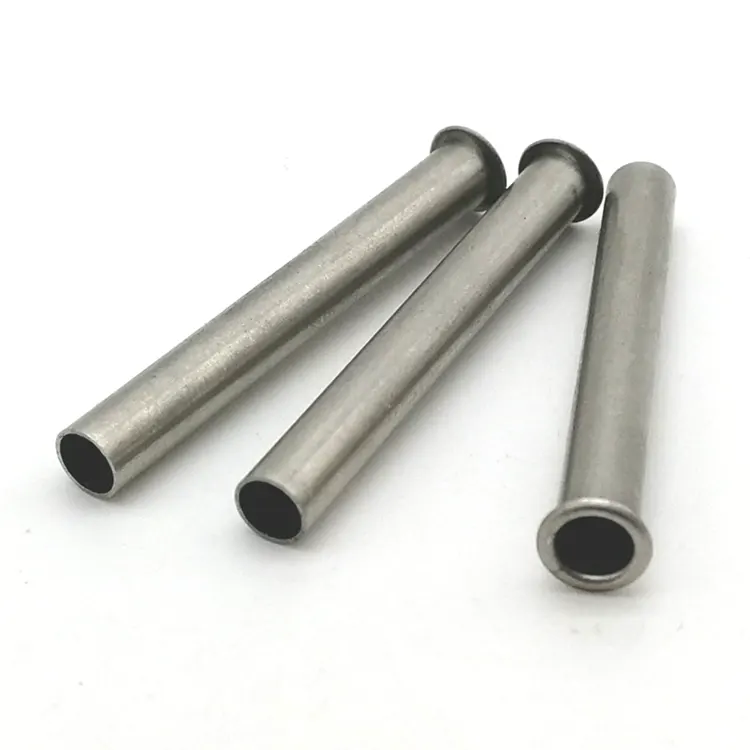
- View as
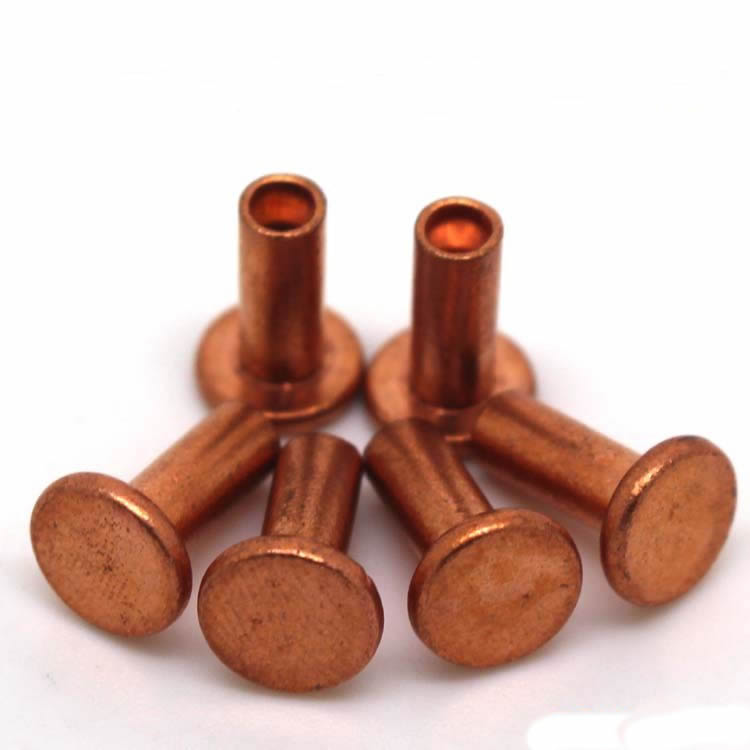
Nity mosiężne
Nuote Metals produkuje nity mosiężne w trzech wersjach – pełnej, półrurowej i pełnej rurki – łącząc klasyczne zalety mosiądzu z niezawodnym działaniem linii produkcyjnej. Dostępne z trzpieniem o średnicy 1,5–8,0 mm, z wykończeniem lakierowanym, niklowanym lub antycznym. Certyfikat ISO 9001:2015. Dostępne bezpłatne próbki. Skontaktuj się z nami, aby uzyskać wycenę.
Czytaj więcejWyślij zapytanie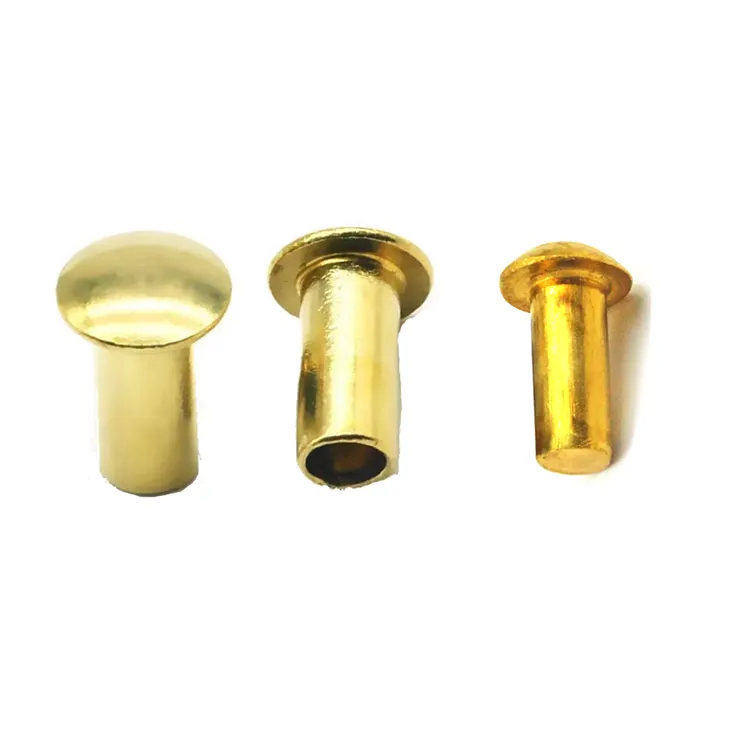
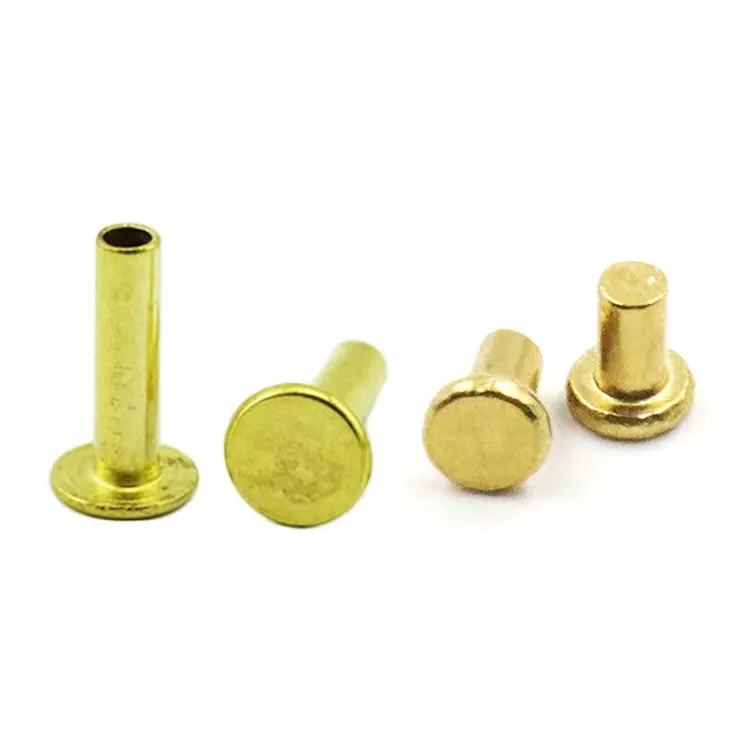
Nity z łbem płaskim, mosiężne
Nuote Metals specjalizuje się w produkcji mosiężnych nitów z łbem stożkowym. Nasze nity wykonane są z mosiądzu H65, który ma wysoką zawartość mosiądzu, jest miękki i łatwy do formowania oraz jest mniej podatny na pękanie podczas procesu nitowania. Nity mosiężne z łbem płaskim składają się z łba i trzonu, przy czym trzon jest pusty w przybliżeniu w połowie jego długości. Podczas montażu nit wkładany jest do wcześniej wywierconego otworu. Za pomocą specjalistycznej nitownicy i stempla koniec trzpienia rozszerza się i tworzy łeb po drugiej stronie, tworząc połączenie zaciskowe. Proces ten polega na odkształceniu plastycznym metalu, eliminując potrzebę spawania lub klejenia, czyniąc go prostym i wydajnym.
Czytaj więcejWyślij zapytanie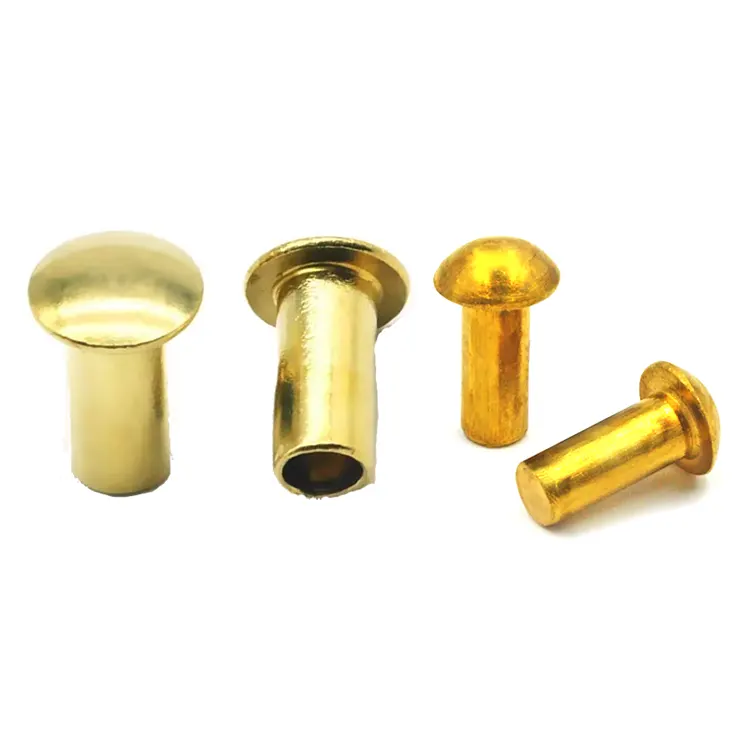
Nity z łbem grzybkowym z mosiądzu
Nity z łbem grzybkowym mosiężnym składają się z łba i korpusu. Głowa jest okrągła i lekko spłaszczona, przypominająca kapelusz grzyba. Korpus jest półpusty, co oznacza, że ma dziurę pośrodku, ale nie przechodzi przez nią całkowicie. Nazywa się je mosiężnymi nitami z półpustym łbem grzybkowym. Niektóre nity mają solidny korpus, zwany mosiężnymi nitami z łbem grzybkowym. Podczas montażu wykorzystuje się specjalistyczne narzędzie, które polega na włożeniu korpusu w wywiercony wcześniej otwór. Wywierany jest nacisk w celu odkształcenia korpusu, powodując jego rozszerzenie i uchwycenie materiału, tworząc bezpieczne połączenie. Firma Nuote Metals specjalizuje się w produkcji mosiężnych nitów z łbem grzybkowym.
Czytaj więcejWyślij zapytanie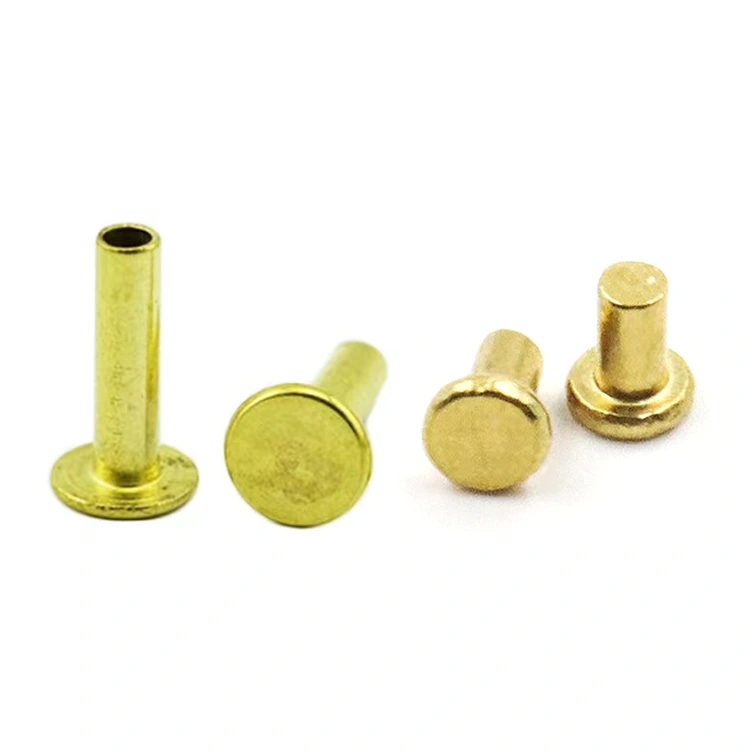
Nity z łbem płaskim z mosiądzu
Nity mosiężne z łbem płaskim to metalowe pręty z kapturkiem na jednym końcu. Osiągają nitowanie poprzez odkształcenie lub pasowanie wciskowe i są powszechnym elementem złącznym. Płaska konstrukcja głowicy zmniejsza występy powierzchniowe, dzięki czemu nadaje się do zastosowań wymagających dużej płaskości. Odporność na korozję mosiądzu zapewnia stabilność połączenia nawet w wilgotnym i korozyjnym środowisku. Nuote Metals specjalizuje się w produkcji mosiężnych nitów z łbem płaskim. Mamy tysiące form i możemy produkować różne specyfikacje nitów. Obsługujemy również niestandardowe projekty i próbki.
Czytaj więcejWyślij zapytanie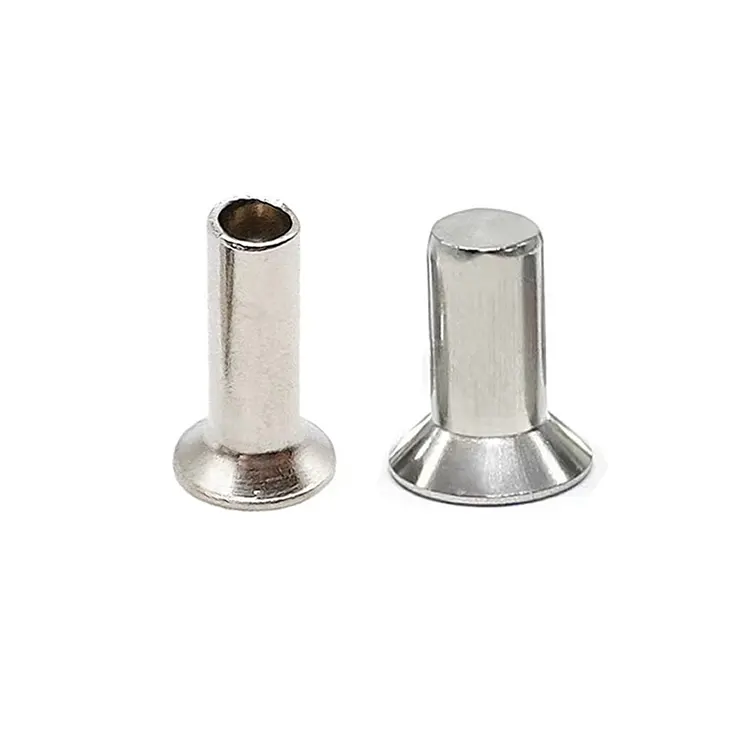
Nity z łbem stożkowym mosiężnym
Nity z łbem stożkowym mosiężnym składają się głównie z łba i trzpienia. Łeb stożkowy pozwala na montaż równo z powierzchnią przedmiotu obrabianego, eliminując występy, które mogłyby mieć wpływ na wygląd lub funkcję. Półpusty trzpień odkształca się podczas procesu nitowania, uzyskując połączenie. Taka konstrukcja nie tylko poprawia wydajność instalacji, ale także zwiększa niezawodność połączenia. Nuote Metals specjalizuje się w produkcji mosiężnych nitów z łbem stożkowym, charakteryzujących się dużą precyzją i gładką, pozbawioną zarysowań powierzchnią. Zapraszamy przyjaciół z całego świata do odwiedzenia naszej firmy i współpracy z nami.
Czytaj więcejWyślij zapytanie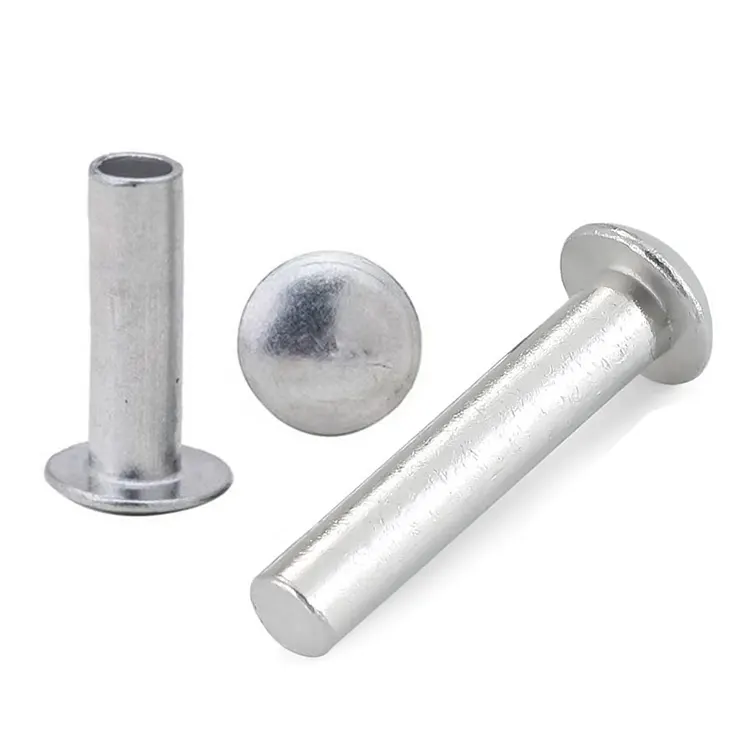
Nity aluminiowe z łbem okrągłym
Aluminiowe nity z łbem okrągłym są szeroko stosowane w różnych dziedzinach ze względu na ich lekkość, wysoką wytrzymałość, odporność na korozję i doskonałe właściwości łączące. Nuote Metals to chiński producent specjalizujący się w produkcji aluminiowych nitów z łbem okrągłym. Nasze nity są eksportowane na cały świat i zapraszamy klientów do odwiedzenia nas w celu uzyskania informacji.
Czytaj więcejWyślij zapytanieProces produkcji nitów specjalnych
Produkcja nitów specjalnych obejmuje wiele ogniw, w tym głównie:
1.Wybór materiału:Wybierz odpowiednie materiały metalowe lub stopowe w zależności od środowiska użytkowania.
2.Pozycja zimna lub pozycja gorąca:Użyj obróbki ciśnieniowej, aby uformować podstawowy kształt nitu w metalowym półfabrykacie.
3.Toczenie lub frezowanie:Dokładna obróbka szczegółów, takich jak łeb i trzonek nitu, aby zapewnić dokładność wymiarową.
4.Obróbka powierzchniowa:Takie jak cynkowanie, niklowanie, anodowanie itp. w celu poprawy odporności na korozję lub estetyki.
Zalety i ograniczenia nitów specjalnych
(1) Zalety: Mogą spełniać specjalne potrzeby, poprawiać wydajność montażu i niezawodność połączeń oraz nadają się do złożonych lub wymagających scenariuszy zastosowań.
(2) Ograniczenia: Ponieważ są to produkty niestandardowe, koszt produkcji jest wysoki, cykl dostaw jest stosunkowo długi, a od klientów wymagane jest podanie szczegółowych parametrów technicznych.
Jak wybrać odpowiednie nity specjalne?
(1)Wyjaśnij potrzeby:Określ kluczowe parametry, takie jak środowisko pracy nitu, warunki naprężenia i wymagania dotyczące odporności na korozję.
(2)Dopasowanie materiału:Wybierz odpowiedni materiał w oparciu o rzeczywiste potrzeby, aby uniknąć przeprojektowania, które prowadzi do zwiększonych kosztów.
(3)Komunikuj się z dostawcami:Dostarcz szczegółowe rysunki techniczne lub próbki, aby upewnić się, że produkowane nity specjalne spełniają oczekiwania.
Jakie są główne zastosowania nitów specjalnych?
(1)Lotnictwo: Samoloty, rakiety i inny sprzęt mają niezwykle wysokie wymagania dotyczące masy, wytrzymałości i odporności elementów złącznych na wysoką temperaturę. Nity specjalne można optymalizować w zależności od konkretnych potrzeb.
(2)Produkcja samochodów:Niektóre modele specjalne lub pojazdy o wysokich osiągach mogą wymagać specjalnych nitów, aby spełnić wymagania połączeń lekkich lub o dużej wytrzymałości.
(3)Sprzęt elektroniczny:Precyzyjne instrumenty lub mały sprzęt elektroniczny mogą wymagać mikro-specjalnych nitów, aby zapewnić stabilność i zwartość połączenia.
(4)Branża budowlana:W niektórych budynkach lub projektach dekoracji o specjalnej konstrukcji można zastosować nity specjalne, aby spełnić określone wymagania instalacyjne.
Status rynkowy nitów specjalnych
Wraz z rozwojem technologii przemysłowej coraz więcej gałęzi przemysłu zaczęło stosować nity specjalne w celu optymalizacji konstrukcji produktu. Obecnie producenci nitów specjalnych skupiają się głównie w regionach delty rzeki Jangcy i delty Rzeki Perłowej w Chinach i mogą świadczyć różnorodne usługi dostosowane do indywidualnych potrzeb. Ze względu na wysoką cenę jednostkową nitów specjalnych ich wielkość rynkowa jest stosunkowo niewielka, ale popyt w segmencie wysokiej klasy nitów produkcyjnych stale rośnie.
Przyszłe trendy rozwojowe
(1)Lekka konstrukcja: Wraz ze wzrostem wymagań w zakresie oszczędzania energii i ochrony środowiska, coraz większą popularnością będą nity specjalne wykonane z lekkich materiałów.
(2)Inteligentna produkcja: Zautomatyzowany sprzęt i zarządzanie cyfrowe jeszcze bardziej poprawią wydajność produkcji i stabilność jakości nitów specjalnych.
(3)Szersze zastosowanie: Wschodzące gałęzie przemysłu, takie jak nowa energia i robotyka, mogą napędzać wzrost popytu na nity specjalne.
Podsumowując, nity specjalne to elementy złączne dostosowane do indywidualnych potrzeb, które spełniają specjalne potrzeby, których nie są w stanie spełnić nity standardowe. Choć koszty jego produkcji są stosunkowo wysokie, odgrywa on niezastąpioną rolę w takich gałęziach przemysłu jak przemysł lotniczy, samochodowy i elektroniczny. Oczekuje się, że w przyszłości, wraz z rozwojem technologii produkcji, zakres zastosowań nitów specjalnych będzie się dalej poszerzał.



X
Używamy plików cookie, aby zapewnić lepszą jakość przeglądania, analizować ruch w witrynie i personalizować zawartość. Korzystając z tej witryny, wyrażasz zgodę na używanie przez nas plików cookie.
Polityka prywatności