Specjalne nity
Produkty

- View as

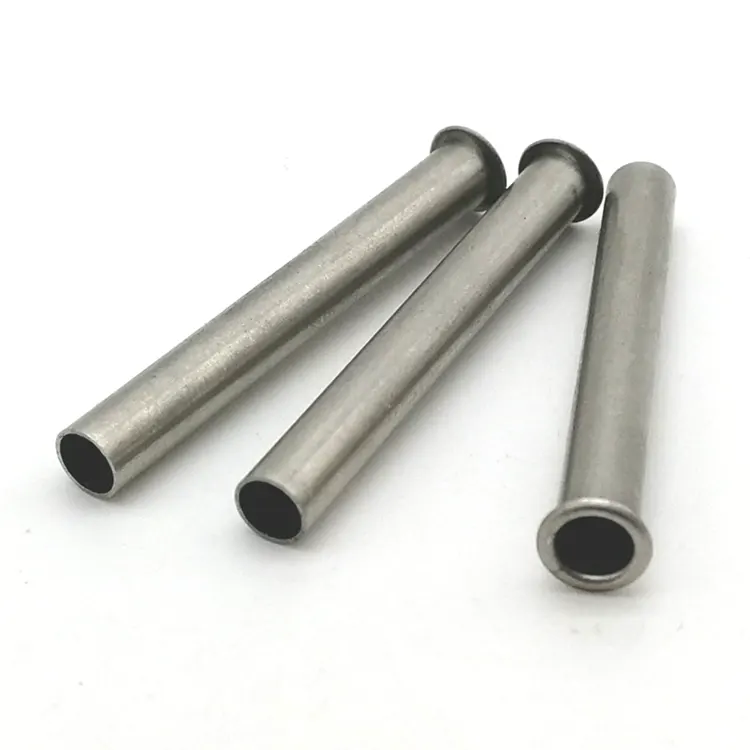
Nity z łbem stożkowym żelaznym
Łeb żelaznych nitów z łbem wpuszczanym ma kształt ściętego stożka, przy czym stożek jest zwykle ustawiony pod kątem 90° lub 120° w stosunku do osi nitu. Dzięki temu kształtowi łeb nitu po montażu zrówna się z powierzchnią łączonego elementu, co zapewnia gładki wygląd. Jest to szczególnie przydatne w zastosowaniach, w których płaskość powierzchni ma kluczowe znaczenie. Przyjdź do Nuote Metals, aby dostosować żądany żelazny nit z łbem stożkowym. Nasi inżynierowie z ponad 10-letnim doświadczeniem doskonale znają się na produkcji różnych rodzajów nitów.
Czytaj więcejWyślij zapytanie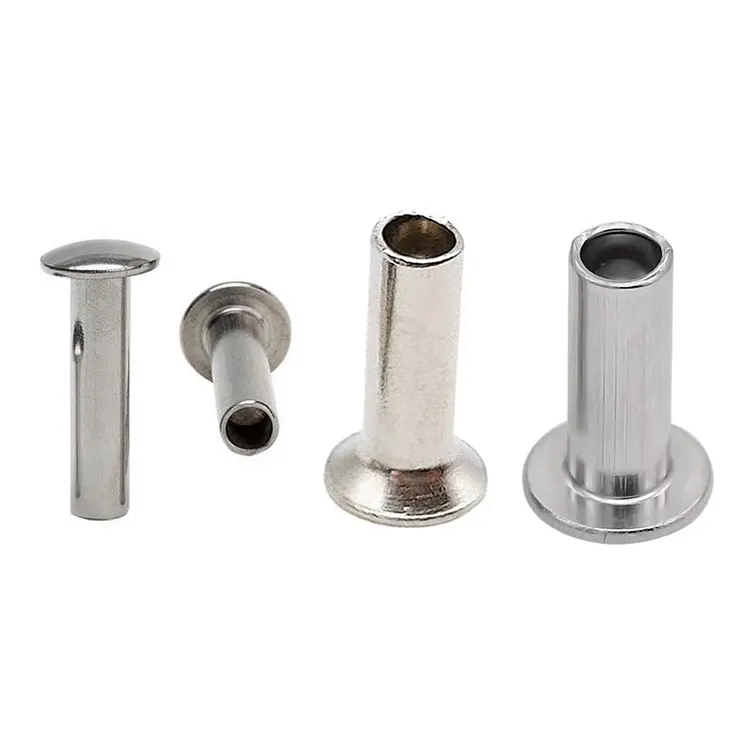
Nity półrurowe
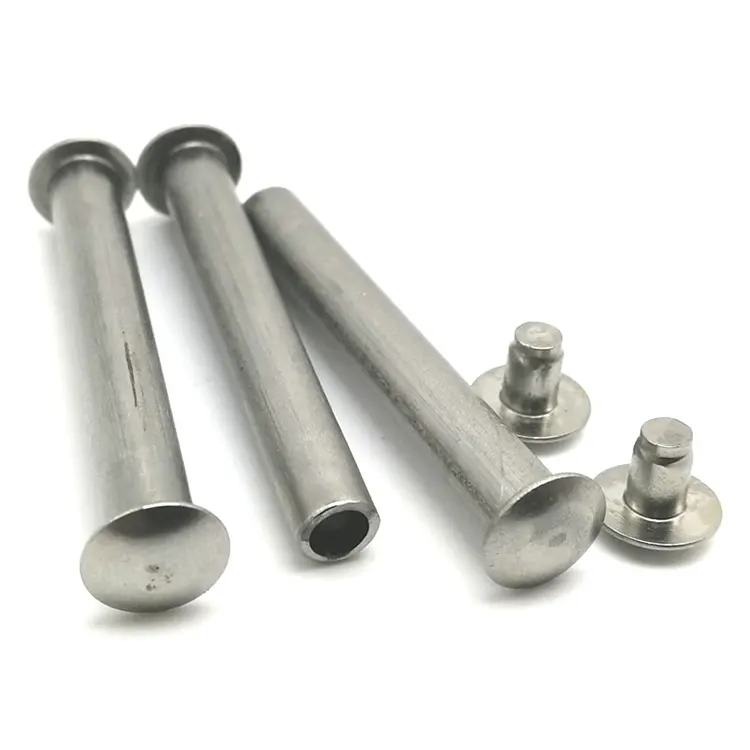
Nuote Metals to chiński producent nitów półrurowych – przyjaznej w produkcji alternatywy dla nitów pełnych, która zmniejsza siłę osadzania nawet o 70%, zachowując 80–90% wytrzymałości nitów pełnych. Dostępne z trzpieniem o średnicy 1,5–8,0 mm, z pięcioma rodzinami materiałów, wieloma rodzajami łbów i niestandardowymi długościami. Jakość potwierdzona certyfikatem ISO, pełna identyfikowalność i dostępne bezpłatne próbki – skontaktuj się z nami, aby rozpocząć.
Czytaj więcejWyślij zapytanie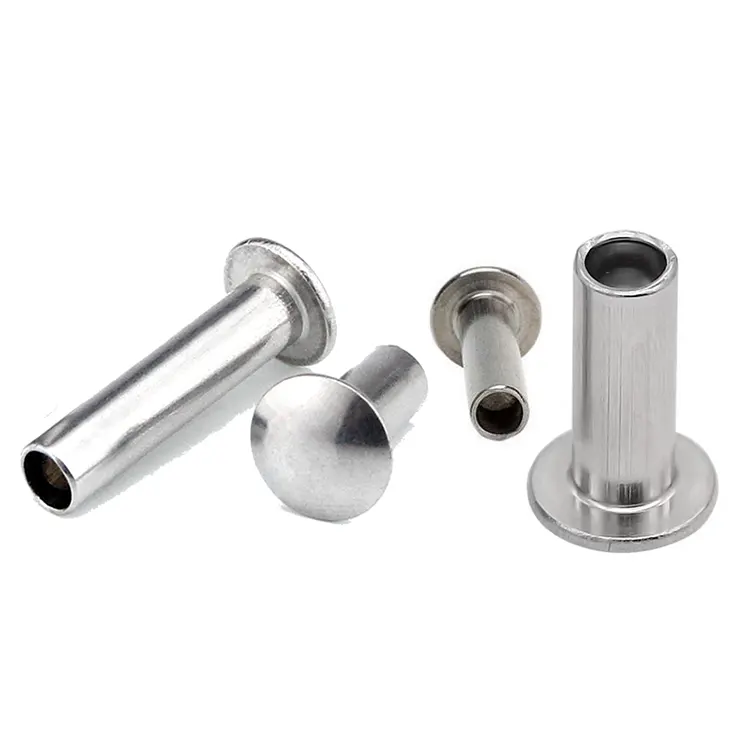
Nity półpuste
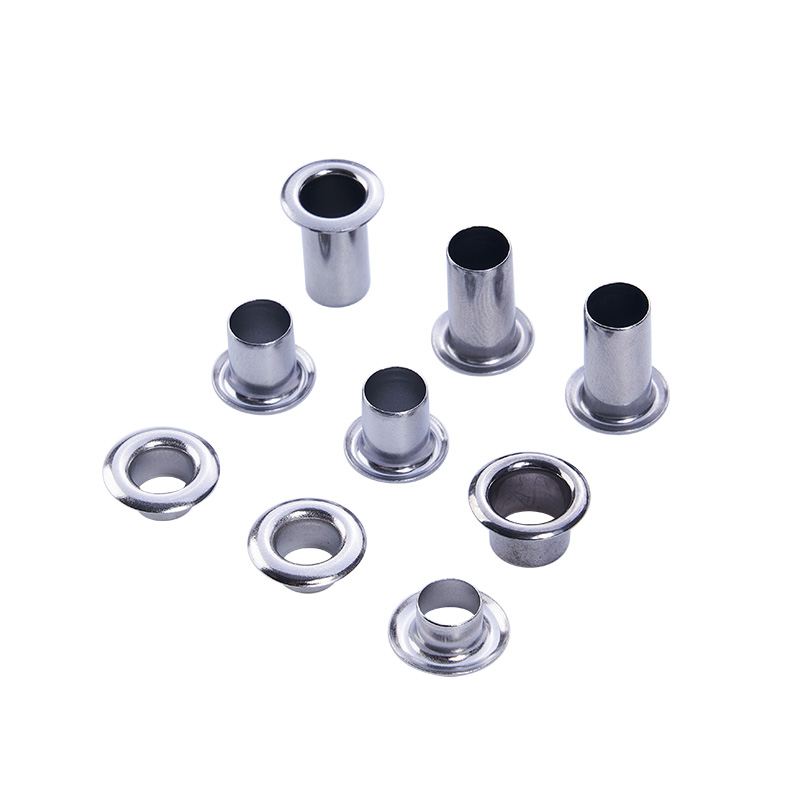
Siedziba Nuote Metals znajduje się w Dongguan w Chinach. Specjalizujemy się w produkcji różnorodnych nitów, w tym nitów pełnych, nitów półrurowych i nitów pełnych rurkowych. Nity półdrążone są powszechnym łącznikiem przemysłowym, charakteryzującym się strukturą pustego rdzenia z półzamkniętym łbem i trzpieniem. Taka konstrukcja pozwala im łączyć lekkość i wysoką wytrzymałość, dzięki czemu są szeroko stosowane w zastosowaniach wymagających wydajnego nitowania. W porównaniu z nitami pełnymi, nity półdrążone zmniejszają wagę, zużywając mniej materiału, jednocześnie wykorzystując odkształcenie plastyczne podczas nitowania, aby uzyskać bezpieczne połączenie, dzięki czemu są szczególnie odpowiednie do zastosowań wrażliwych na ciężar.
Czytaj więcejWyślij zapytanie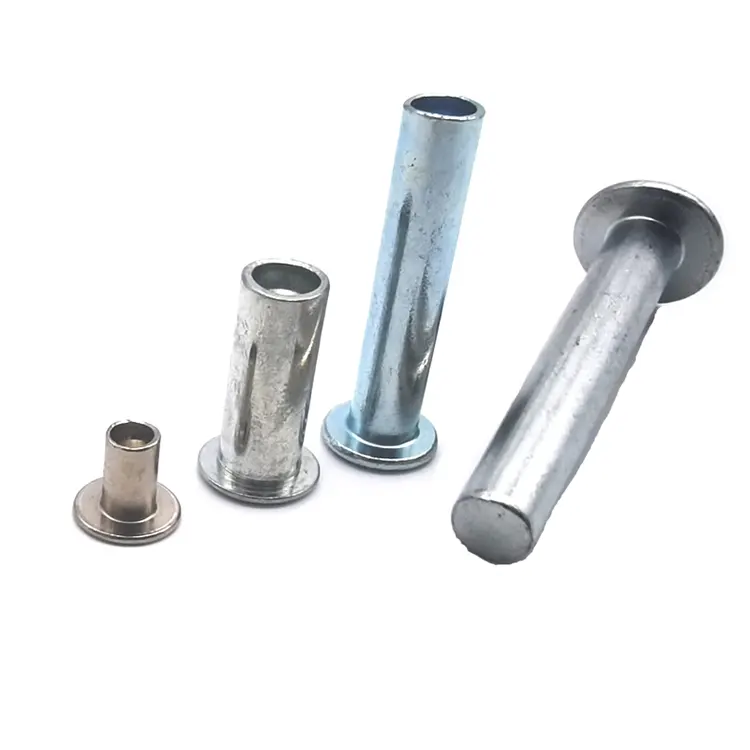
Nity z łbem płaskim
Nuote Metals specjalizuje się w produkcji nitów, produkując różnorodne materiały, takie jak stal nierdzewna, mosiądz, aluminium, stal węglowa i miedź. Nity są powszechnym elementem złącznym stosowanym w różnych konstrukcjach i zespołach, zarówno w produkcji przemysłowej, jak i w życiu codziennym. Nity z łbem płaskim są produktem wybieranym w wielu gałęziach przemysłu ze względu na ich wyjątkową wydajność i możliwości adaptacji.
Czytaj więcejWyślij zapytanie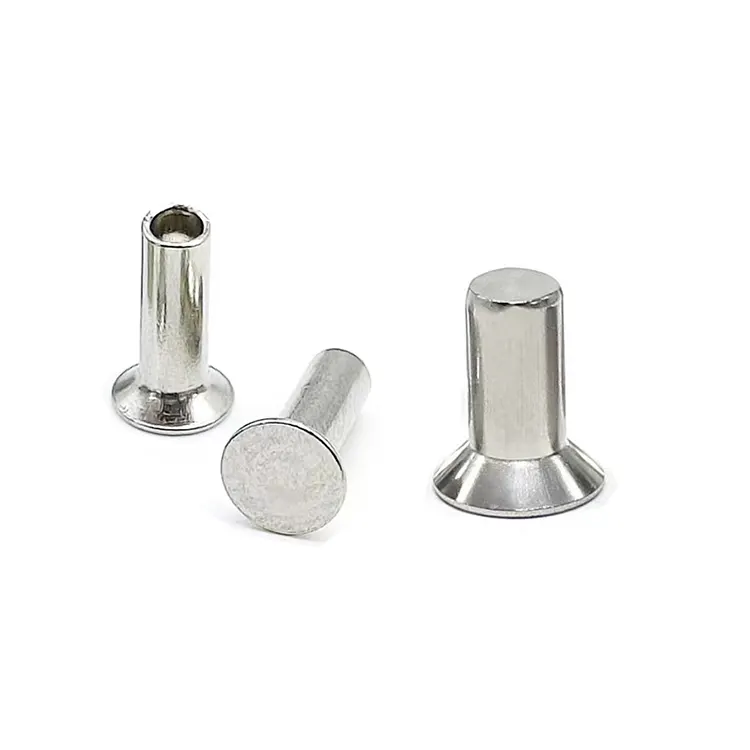
Nity z łbem stożkowym
Nuote Metals produkuje nity z łbem stożkowym w wersji pełnej, półrurowej i całkowicie rurowej – ze stożkowym łbem, który jest całkowicie zrównany z powierzchnią materiału. Dostępne z kątami główki 90° i 100°, średnicami chwytów 1,5–8,0 mm, pięcioma rodzinami materiałów i długościami niestandardowymi. Jakość potwierdzona certyfikatem ISO, pełna identyfikowalność i dostępne bezpłatne próbki – skontaktuj się z nami, aby rozpocząć.
Czytaj więcejWyślij zapytanie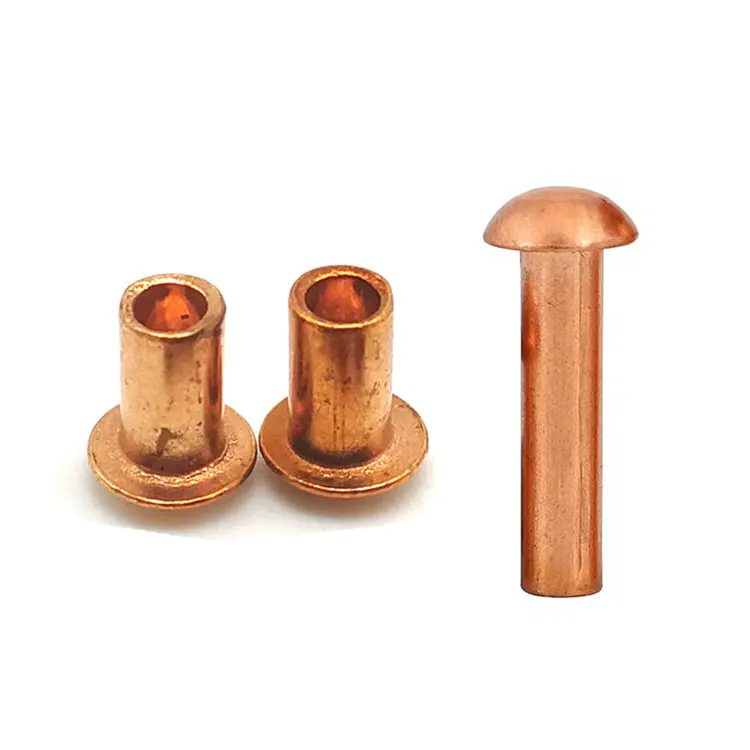
Nity miedziane z łbem okrągłym
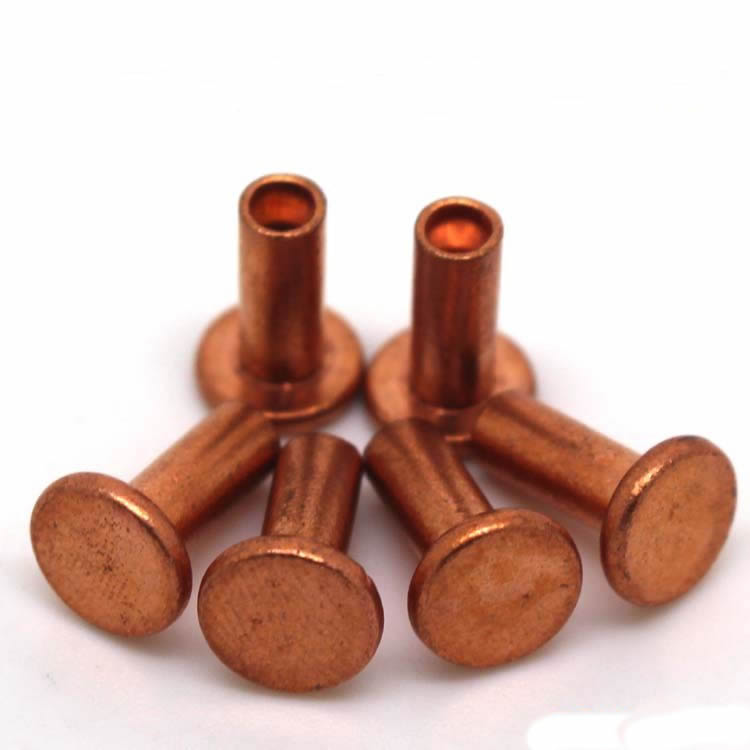
Nity miedziane z łbem okrągłym to rodzaj elementów złącznych szeroko stosowanych w produkcji przemysłowej, meblarstwie i innych dziedzinach. Miedź, zwana także miedzią beztlenową, to stop miedzi o wysokiej czystości, charakteryzujący się doskonałą przewodnością elektryczną i cieplną, a także dobrą odpornością na korozję i ciągliwością. Te właściwości zapewniają, że miedziane nity z łbem okrągłym zachowują stabilną pracę w różnych środowiskach, wydłużając ich żywotność. Ponadto miedź ma pewne właściwości antybakteryjne, które mogą zmniejszyć ryzyko rozwoju bakterii w produktach często mających kontakt z ludzkim ciałem.
Czytaj więcejWyślij zapytanieProces produkcji nitów specjalnych
Produkcja nitów specjalnych obejmuje wiele ogniw, w tym głównie:
1.Wybór materiału:Wybierz odpowiednie materiały metalowe lub stopowe w zależności od środowiska użytkowania.
2.Pozycja zimna lub pozycja gorąca:Użyj obróbki ciśnieniowej, aby uformować podstawowy kształt nitu w metalowym półfabrykacie.
3.Toczenie lub frezowanie:Dokładna obróbka szczegółów, takich jak łeb i trzonek nitu, aby zapewnić dokładność wymiarową.
4.Obróbka powierzchniowa:Takie jak cynkowanie, niklowanie, anodowanie itp. w celu poprawy odporności na korozję lub estetyki.
Zalety i ograniczenia nitów specjalnych
(1) Zalety: Mogą spełniać specjalne potrzeby, poprawiać wydajność montażu i niezawodność połączeń oraz nadają się do złożonych lub wymagających scenariuszy zastosowań.
(2) Ograniczenia: Ponieważ są to produkty niestandardowe, koszt produkcji jest wysoki, cykl dostaw jest stosunkowo długi, a od klientów wymagane jest podanie szczegółowych parametrów technicznych.
Jak wybrać odpowiednie nity specjalne?
(1)Wyjaśnij potrzeby:Określ kluczowe parametry, takie jak środowisko pracy nitu, warunki naprężenia i wymagania dotyczące odporności na korozję.
(2)Dopasowanie materiału:Wybierz odpowiedni materiał w oparciu o rzeczywiste potrzeby, aby uniknąć przeprojektowania, które prowadzi do zwiększonych kosztów.
(3)Komunikuj się z dostawcami:Dostarcz szczegółowe rysunki techniczne lub próbki, aby upewnić się, że produkowane nity specjalne spełniają oczekiwania.
Jakie są główne zastosowania nitów specjalnych?
(1)Lotnictwo: Samoloty, rakiety i inny sprzęt mają niezwykle wysokie wymagania dotyczące masy, wytrzymałości i odporności elementów złącznych na wysoką temperaturę. Nity specjalne można optymalizować w zależności od konkretnych potrzeb.
(2)Produkcja samochodów:Niektóre modele specjalne lub pojazdy o wysokich osiągach mogą wymagać specjalnych nitów, aby spełnić wymagania połączeń lekkich lub o dużej wytrzymałości.
(3)Sprzęt elektroniczny:Precyzyjne instrumenty lub mały sprzęt elektroniczny mogą wymagać mikro-specjalnych nitów, aby zapewnić stabilność i zwartość połączenia.
(4)Branża budowlana:W niektórych budynkach lub projektach dekoracji o specjalnej konstrukcji można zastosować nity specjalne, aby spełnić określone wymagania instalacyjne.
Status rynkowy nitów specjalnych
Wraz z rozwojem technologii przemysłowej coraz więcej gałęzi przemysłu zaczęło stosować nity specjalne w celu optymalizacji konstrukcji produktu. Obecnie producenci nitów specjalnych skupiają się głównie w regionach delty rzeki Jangcy i delty Rzeki Perłowej w Chinach i mogą świadczyć różnorodne usługi dostosowane do indywidualnych potrzeb. Ze względu na wysoką cenę jednostkową nitów specjalnych ich wielkość rynkowa jest stosunkowo niewielka, ale popyt w segmencie wysokiej klasy nitów produkcyjnych stale rośnie.
Przyszłe trendy rozwojowe
(1)Lekka konstrukcja: Wraz ze wzrostem wymagań w zakresie oszczędzania energii i ochrony środowiska, coraz większą popularnością będą nity specjalne wykonane z lekkich materiałów.
(2)Inteligentna produkcja: Zautomatyzowany sprzęt i zarządzanie cyfrowe jeszcze bardziej poprawią wydajność produkcji i stabilność jakości nitów specjalnych.
(3)Szersze zastosowanie: Wschodzące gałęzie przemysłu, takie jak nowa energia i robotyka, mogą napędzać wzrost popytu na nity specjalne.
Podsumowując, nity specjalne to elementy złączne dostosowane do indywidualnych potrzeb, które spełniają specjalne potrzeby, których nie są w stanie spełnić nity standardowe. Choć koszty jego produkcji są stosunkowo wysokie, odgrywa on niezastąpioną rolę w takich gałęziach przemysłu jak przemysł lotniczy, samochodowy i elektroniczny. Oczekuje się, że w przyszłości, wraz z rozwojem technologii produkcji, zakres zastosowań nitów specjalnych będzie się dalej poszerzał.



X
Używamy plików cookie, aby zapewnić lepszą jakość przeglądania, analizować ruch w witrynie i personalizować zawartość. Korzystając z tej witryny, wyrażasz zgodę na używanie przez nas plików cookie.
Polityka prywatności