Specjalne nity
Produkty

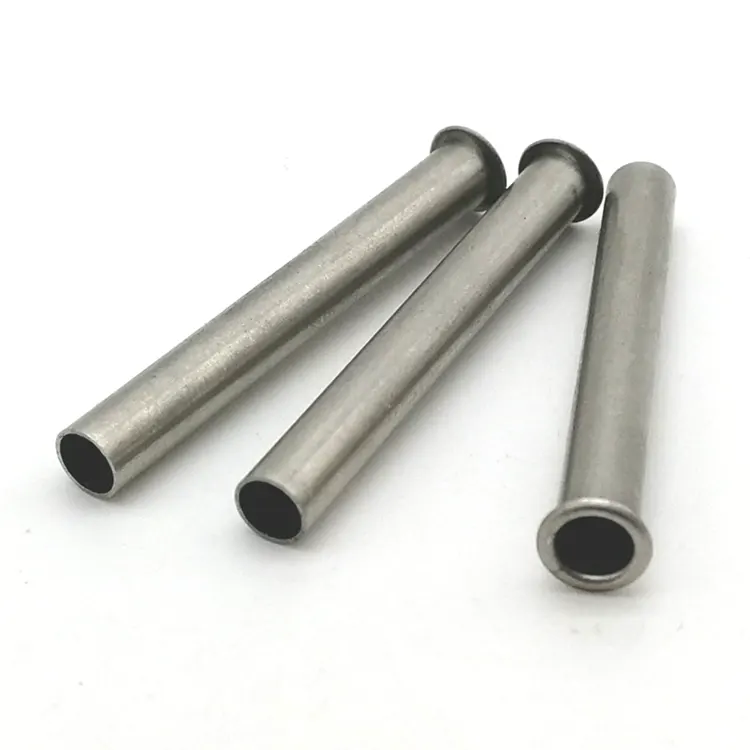
- View as
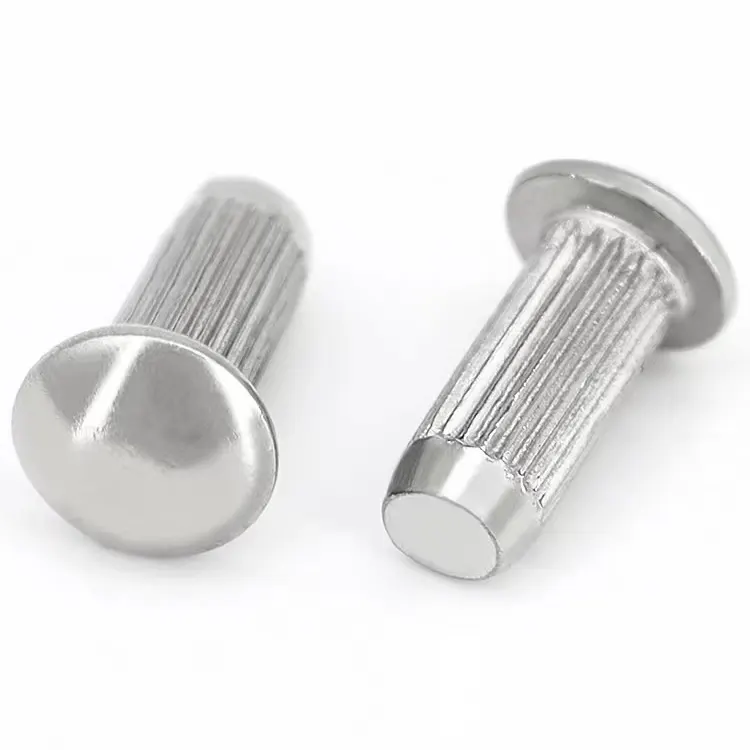
Nity radełkowane
Nity radełkowane składają się zazwyczaj z łba, trzonu i ogona. Trzpień ma ukośny lub prosty wzór radełkowany oraz obrobioną, wytłoczoną teksturę, która zapewnia lepszy chwyt podczas instalacji i zapobiega ślizganiu się narzędzia. Trzpień jest cylindryczny, a jego długość i średnica różnią się w zależności od zastosowania. Typowe rozmiary wahają się od 3 mm do 8 mm średnicy i od 5 mm do 20 mm długości. Ogon może również mieć gwinty lub rowki do połączenia z nakrętkami lub innymi elementami złącznymi.
Czytaj więcejWyślij zapytanie
Nity z łbem okrągłym z żelaza
Nity żelazne z łbem okrągłym są elementami złącznymi szeroko stosowanymi w produkcji przemysłowej i życiu codziennym. Ich unikalna konstrukcja i doskonała wydajność sprawiają, że są one najlepszym wyborem w wielu dziedzinach. Nuote Metals specjalizuje się w produkcji nitów żelaznych z łbem okrągłym. Wymiary naszych nitów ściśle odpowiadają tolerancjom określonym na rysunkach klienta. Każdy proces podlega cyklowi kontroli jakości, aby zapewnić jakość produktu końcowego. Posiadamy dziesiątki maszyn do kucia na zimno, o dziennej wydajności kilkudziesięciu milionów nitów.
Czytaj więcejWyślij zapytanie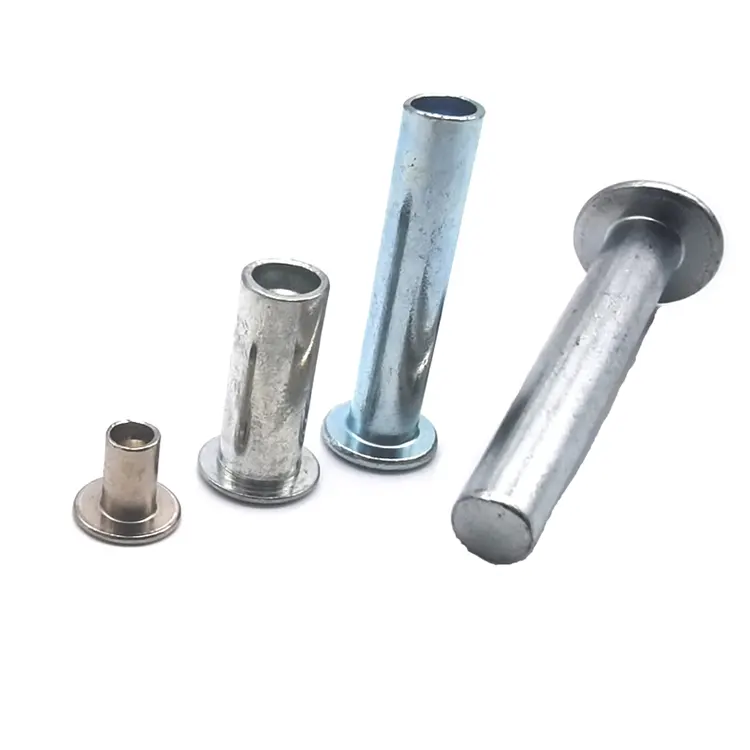
Nity żelazne
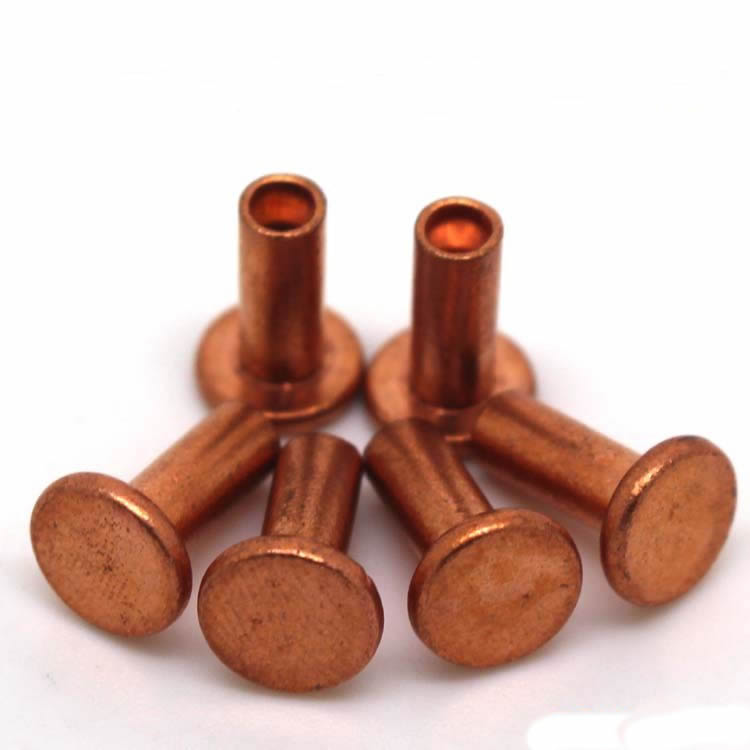
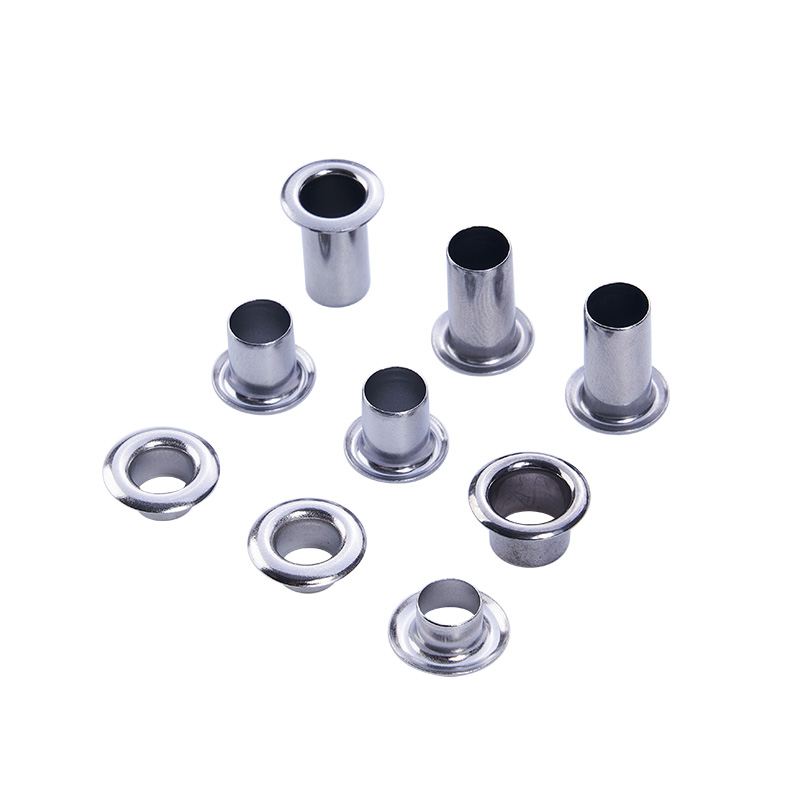
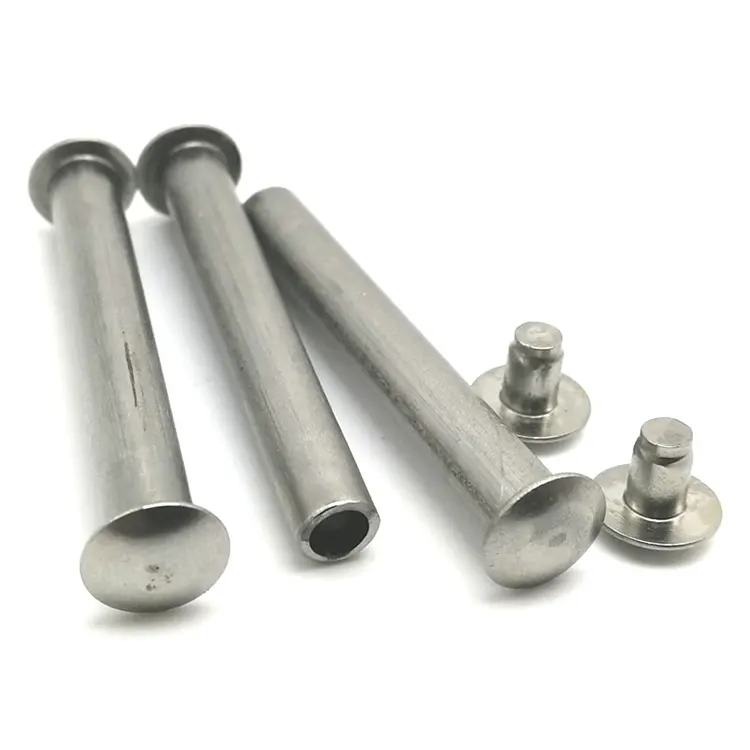
Nuote Metals produkuje nity żelazne w wersji pełnej, półrurowej i całkowicie rurowej – zapewniając najlepsze połączenie wytrzymałości i oszczędności w mocowaniach przemysłowych. Dostępne z trzpieniem o średnicy 1,5–8,0 mm z powłoką cynkową lub wykończeniem oksydowanym na czarno.
Czytaj więcejWyślij zapytanie
Nity z łbem żelaznym
Nity żelazne z łbem stożkowym, dzięki swojej lekkości, odporności na korozję i estetyce, stały się wszechstronnymi i wszechstronnymi produktami w produkcji przemysłowej. Niezależnie od tego, czy chodzi o zastosowania, w których ciężar ma krytyczne znaczenie, czy w życiu codziennym, nity z łbem płaskim zapewniają wyjątkową wydajność i niezawodność. Witamy w firmie Nuote Metals w Dongguan w Chinach, firmie specjalizującej się w tych nitach. Oferujemy produkty wysokiej jakości z gwarancją dostawy. Produkujemy również inne akcesoria sprzętowe, takie jak oczka, części obrabiane i części tłoczone.
Czytaj więcejWyślij zapytanie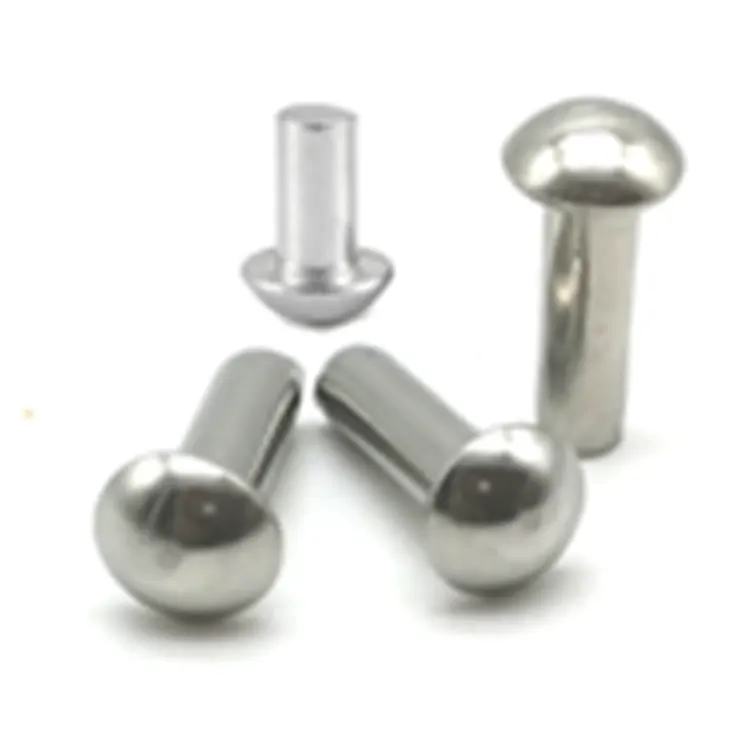
Nity z łbem grzybkowym żelaznym
Nuote Metals to profesjonalny producent nitów z siedzibą w Dongguan w Chinach. Nasze żelazne nity grzybkowe, jak sama nazwa wskazuje, mają łeb w kształcie grzybka z półpustym lub pełnym rdzeniem. Głowa jest zazwyczaj większa, co zapewnia dobrą powierzchnię nośną. Struktura ta pozwala na odkształcenie podczas instalacji, poprzez wytłaczanie lub specjalistyczne narzędzia, aby bezpiecznie połączyć dwa lub więcej materiałów. Wykonane z żelaza, są zazwyczaj ocynkowane lub poddawane obróbce innymi wykończeniami w celu zapewnienia odporności na korozję.
Czytaj więcejWyślij zapytanie
Nity z łbem płaskim żelaznym
Jako powszechne złącze mechaniczne, żelazne nity z łbem płaskim zajmują ważną pozycję w wielu dziedzinach przemysłu ze względu na ich cechy konstrukcyjne i szeroki zakres zastosowań. Strukturalnie łeb nitu jest płaski, w kształcie dysku, a korpus jest cylindryczny. Koniec jest specjalnie przetwarzany w celu utworzenia spękanej struktury. Po zamontowaniu nacisk lub uderzenie powoduje rozszerzenie korpusu, tworząc mechaniczne połączenie ze ścianą otworu w celu uzyskania efektu dokręcenia. W porównaniu z nitami z łbem okrągłym lub nitami z łbem stożkowym, konstrukcja z łbem płaskim ma znaczące zalety w zakresie rozkładu siły i powierzchni styku. Na przykład, poddana działaniu siły ścinającej, jej głowica w kształcie dysku może rozproszyć obciążenie na większą powierzchnię, skutecznie zmniejszając ciśnienie na jednostkę powierzchni.
Czytaj więcejWyślij zapytanieProces produkcji nitów specjalnych
Produkcja nitów specjalnych obejmuje wiele ogniw, w tym głównie:
1.Wybór materiału:Wybierz odpowiednie materiały metalowe lub stopowe w zależności od środowiska użytkowania.
2.Pozycja zimna lub pozycja gorąca:Użyj obróbki ciśnieniowej, aby uformować podstawowy kształt nitu w metalowym półfabrykacie.
3.Toczenie lub frezowanie:Dokładna obróbka szczegółów, takich jak łeb i trzonek nitu, aby zapewnić dokładność wymiarową.
4.Obróbka powierzchniowa:Takie jak cynkowanie, niklowanie, anodowanie itp. w celu poprawy odporności na korozję lub estetyki.
Zalety i ograniczenia nitów specjalnych
(1) Zalety: Mogą spełniać specjalne potrzeby, poprawiać wydajność montażu i niezawodność połączeń oraz nadają się do złożonych lub wymagających scenariuszy zastosowań.
(2) Ograniczenia: Ponieważ są to produkty niestandardowe, koszt produkcji jest wysoki, cykl dostaw jest stosunkowo długi, a od klientów wymagane jest podanie szczegółowych parametrów technicznych.
Jak wybrać odpowiednie nity specjalne?
(1)Wyjaśnij potrzeby:Określ kluczowe parametry, takie jak środowisko pracy nitu, warunki naprężenia i wymagania dotyczące odporności na korozję.
(2)Dopasowanie materiału:Wybierz odpowiedni materiał w oparciu o rzeczywiste potrzeby, aby uniknąć przeprojektowania, które prowadzi do zwiększonych kosztów.
(3)Komunikuj się z dostawcami:Dostarcz szczegółowe rysunki techniczne lub próbki, aby upewnić się, że produkowane nity specjalne spełniają oczekiwania.
Jakie są główne zastosowania nitów specjalnych?
(1)Lotnictwo: Samoloty, rakiety i inny sprzęt mają niezwykle wysokie wymagania dotyczące masy, wytrzymałości i odporności elementów złącznych na wysoką temperaturę. Nity specjalne można optymalizować w zależności od konkretnych potrzeb.
(2)Produkcja samochodów:Niektóre modele specjalne lub pojazdy o wysokich osiągach mogą wymagać specjalnych nitów, aby spełnić wymagania połączeń lekkich lub o dużej wytrzymałości.
(3)Sprzęt elektroniczny:Precyzyjne instrumenty lub mały sprzęt elektroniczny mogą wymagać mikro-specjalnych nitów, aby zapewnić stabilność i zwartość połączenia.
(4)Branża budowlana:W niektórych budynkach lub projektach dekoracji o specjalnej konstrukcji można zastosować nity specjalne, aby spełnić określone wymagania instalacyjne.
Status rynkowy nitów specjalnych
Wraz z rozwojem technologii przemysłowej coraz więcej gałęzi przemysłu zaczęło stosować nity specjalne w celu optymalizacji konstrukcji produktu. Obecnie producenci nitów specjalnych skupiają się głównie w regionach delty rzeki Jangcy i delty Rzeki Perłowej w Chinach i mogą świadczyć różnorodne usługi dostosowane do indywidualnych potrzeb. Ze względu na wysoką cenę jednostkową nitów specjalnych ich wielkość rynkowa jest stosunkowo niewielka, ale popyt w segmencie wysokiej klasy nitów produkcyjnych stale rośnie.
Przyszłe trendy rozwojowe
(1)Lekka konstrukcja: Wraz ze wzrostem wymagań w zakresie oszczędzania energii i ochrony środowiska, coraz większą popularnością będą nity specjalne wykonane z lekkich materiałów.
(2)Inteligentna produkcja: Zautomatyzowany sprzęt i zarządzanie cyfrowe jeszcze bardziej poprawią wydajność produkcji i stabilność jakości nitów specjalnych.
(3)Szersze zastosowanie: Wschodzące gałęzie przemysłu, takie jak nowa energia i robotyka, mogą napędzać wzrost popytu na nity specjalne.
Podsumowując, nity specjalne to elementy złączne dostosowane do indywidualnych potrzeb, które spełniają specjalne potrzeby, których nie są w stanie spełnić nity standardowe. Choć koszty jego produkcji są stosunkowo wysokie, odgrywa on niezastąpioną rolę w takich gałęziach przemysłu jak przemysł lotniczy, samochodowy i elektroniczny. Oczekuje się, że w przyszłości, wraz z rozwojem technologii produkcji, zakres zastosowań nitów specjalnych będzie się dalej poszerzał.



X
Używamy plików cookie, aby zapewnić lepszą jakość przeglądania, analizować ruch w witrynie i personalizować zawartość. Korzystając z tej witryny, wyrażasz zgodę na używanie przez nas plików cookie.
Polityka prywatności