Nity
Produkty

- View as
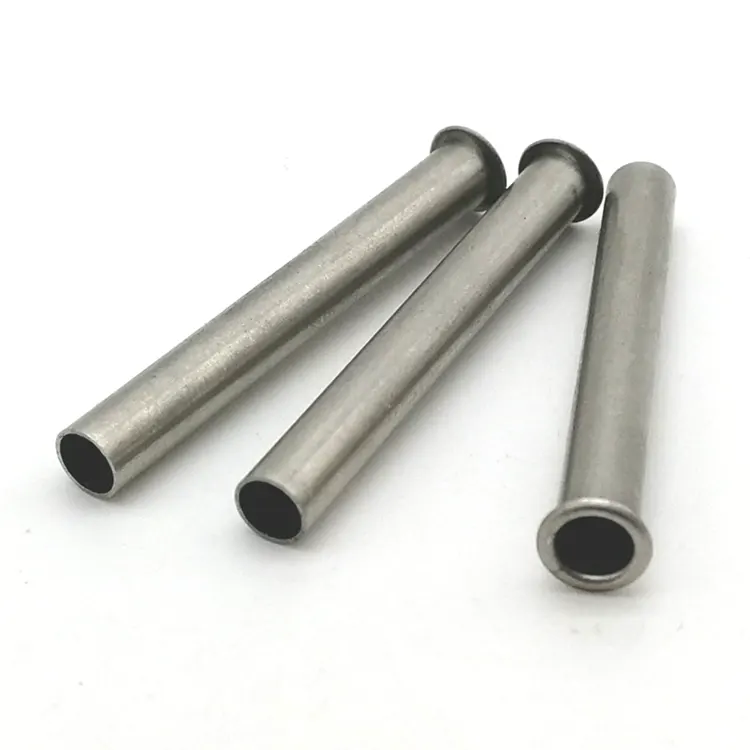
Nity półrurowe z łbem grzybkowym
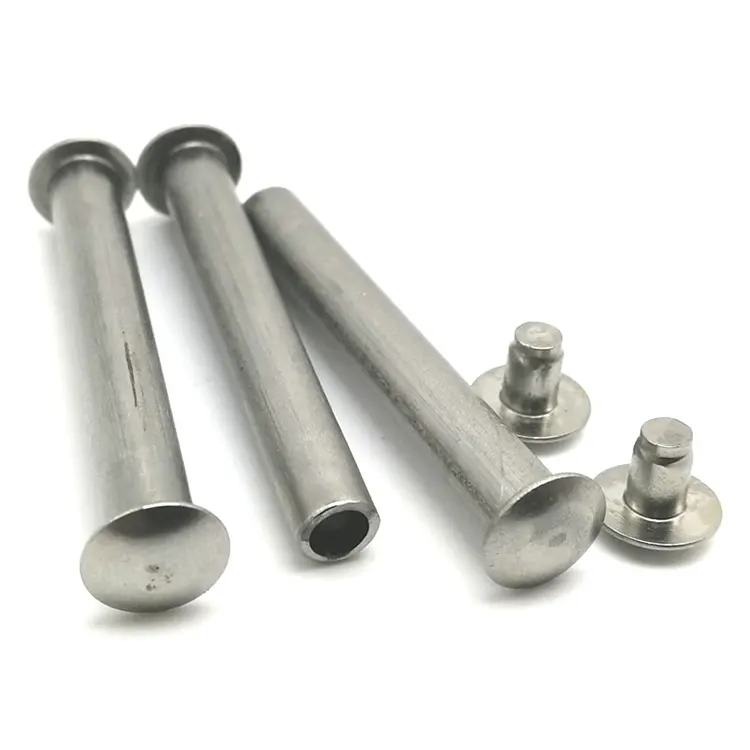
Nuote Metals to fabryka z siedzibą w Chinach, prezentujemy nity półrurowe z łbem grzybkowym do wyrobów skórzanych i uchwytów do narzędzi. Szeroka, kopułowa główka zapewnia lepszy chwyt i czyste wykończenie, a półrurowa konstrukcja zapewnia szybkie i bezpieczne mocowanie. Idealny dla rzemieślników i producentów poszukujących zarówno siły, jak i stylu. Zaufaj fabryce, jeśli chodzi o stałą jakość.
Czytaj więcejWyślij zapytanie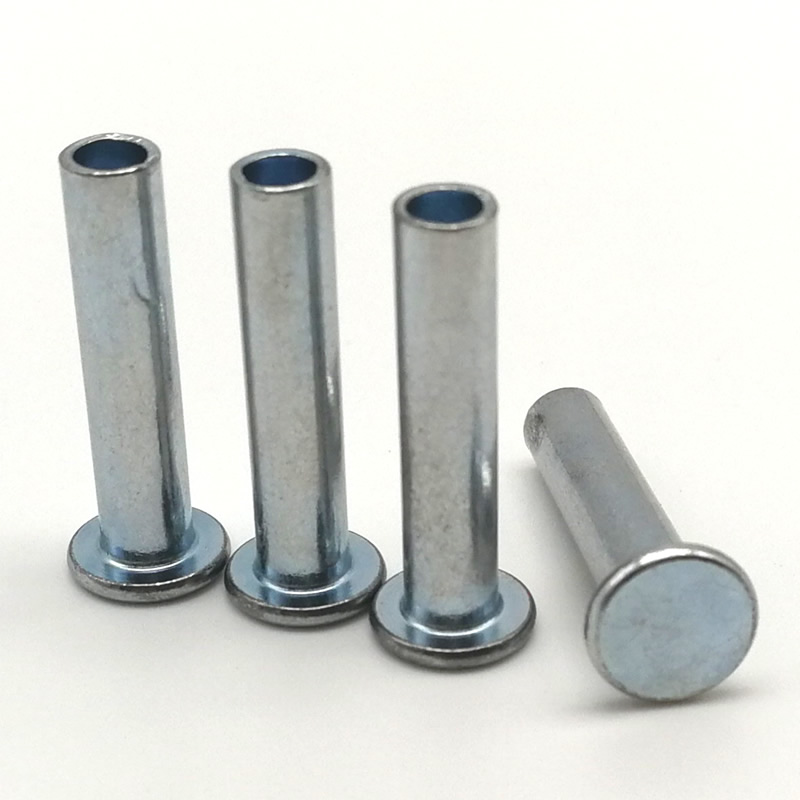
Nity półrurowe z łbem płaskim
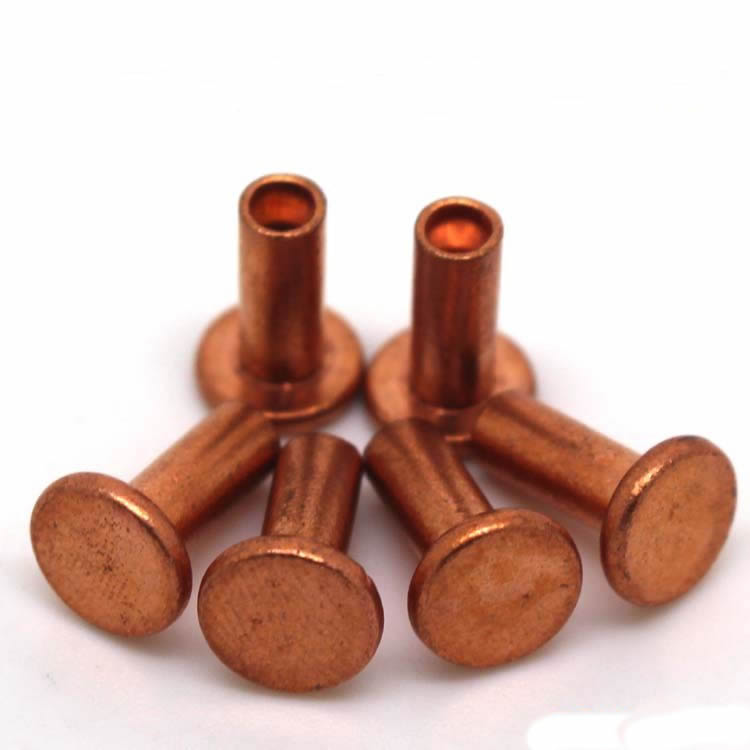
Nuote Metals, fabryka z siedzibą w Chinach, oferuje nity półrurowe z łbem płaskim, zapewniające gładkie i bezpieczne mocowanie w elektronice i montażu samochodów. Płaska główka leży równo, a półrurowa konstrukcja ułatwia ustawienie. Idealne dla inżynierów i profesjonalistów zajmujących się naprawami, te nity zapewniają niezawodną wytrzymałość. Zaufaj fabryce, jeśli chodzi o precyzję i wartość.
Czytaj więcejWyślij zapytanie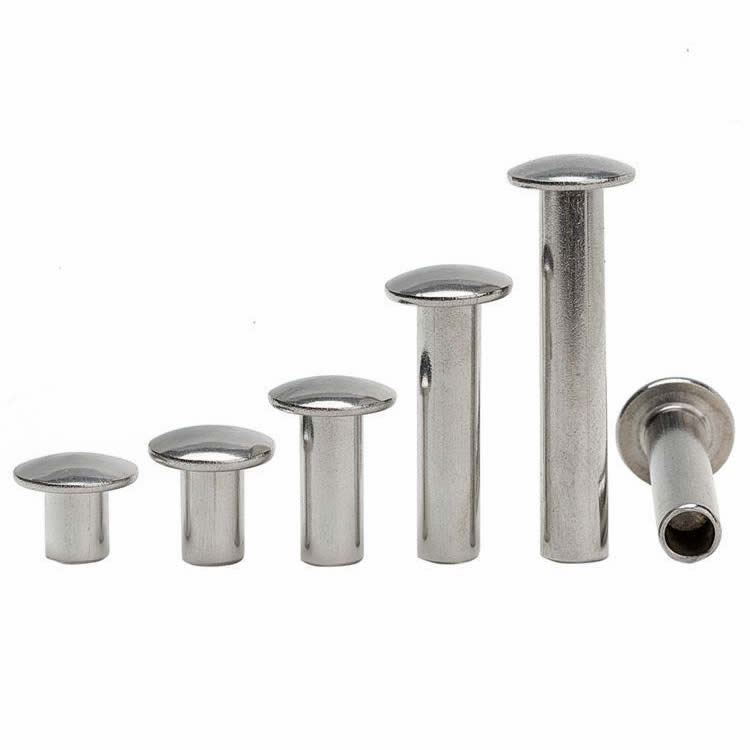
Nity półrurowe żelazne
Nity półrurowe żelazne firmy Nuote Metals – elementy złączne ze stali niskowęglowej, które zmniejszają siłę osadzania o 70%, zachowując 80–90% wytrzymałości nitu pełnego. Dostępne z trzpieniem o średnicy 1,5–8,0 mm, z sześcioma rodzajami łbów, z wykończeniem cynkowanym, niklowanym lub czarnym oksydowanym.
Czytaj więcejWyślij zapytanie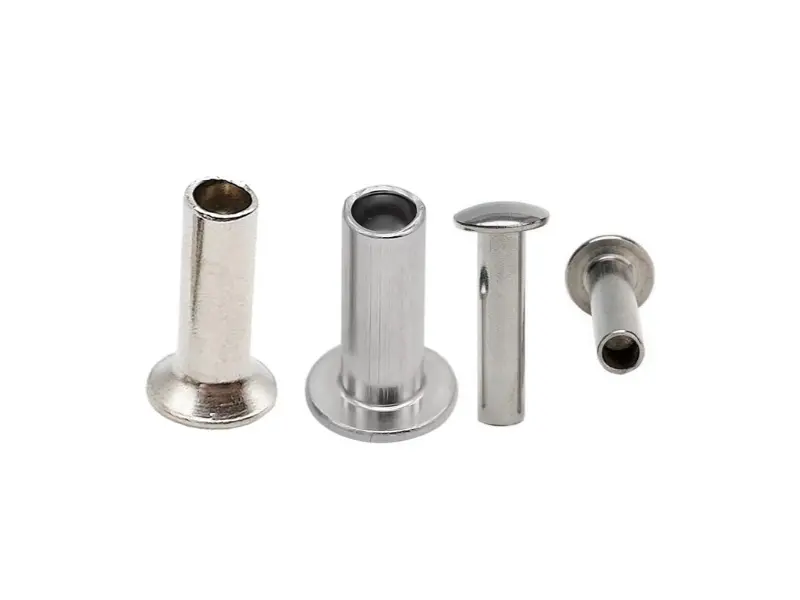
Żelazne nity półpuste
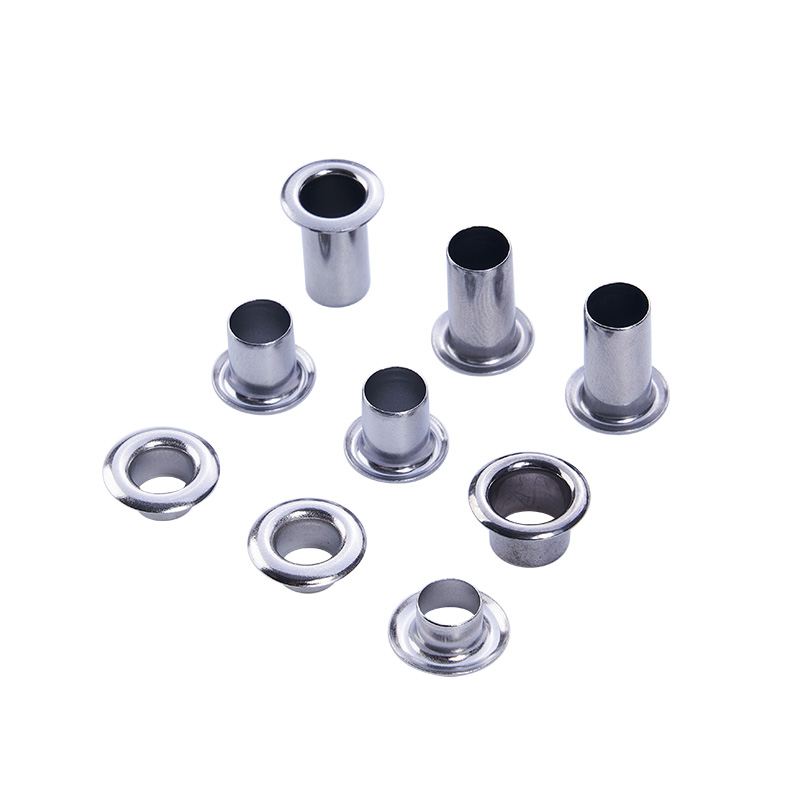
Siedziba Nuote Metals znajduje się w Dongguan w Chinach. Specjalizujemy się w produkcji nitów drążonych żeliwnych. Materiałami są zazwyczaj żelazo 1T lub żelazo węglowe, takie jak 1006 i 1008. Nity żelazne są podatne na rdzę, dlatego zwykle poddaje się je obróbce powierzchniowej poprzez cynkowanie, niklowanie itp. Produkujemy tysiące specyfikacji żelaznych nitów półpustych, przy czym najmniejsza średnica nitu wynosi tylko 1,2 mm, a największa 10 mm. Oferujemy różne kształty łbów, takie jak łeb płaski, łeb półokrągły, łeb stożkowy, łeb grzybkowy itp.
Czytaj więcejWyślij zapytanie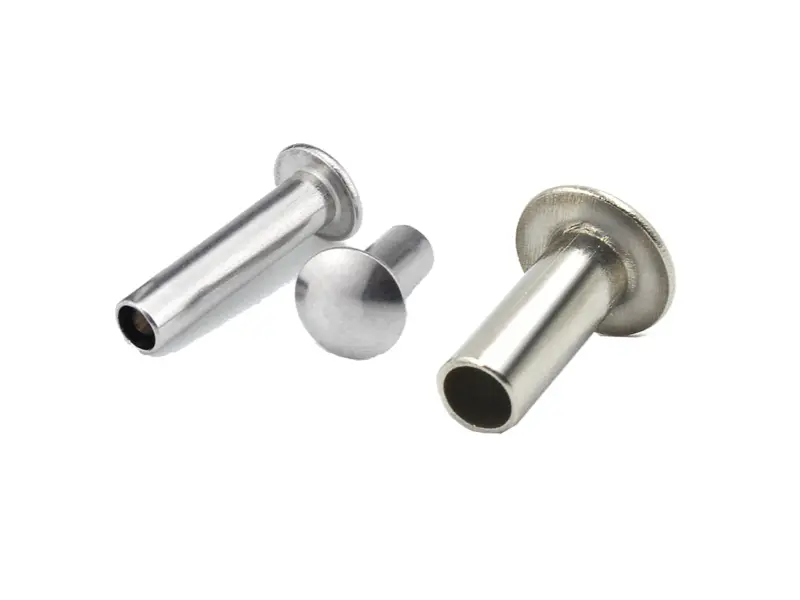
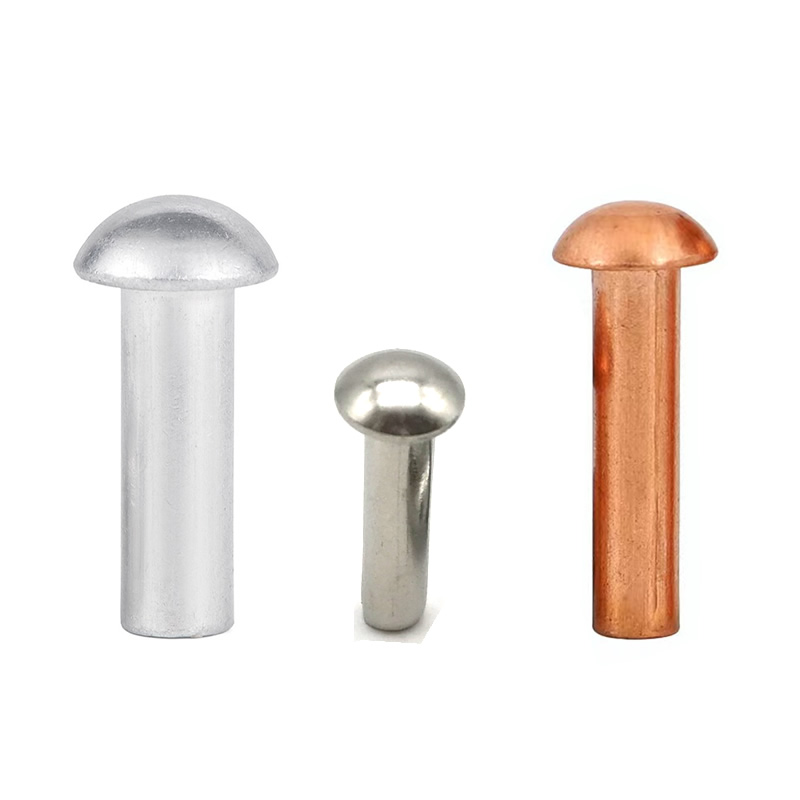
Nity półdrążone z łbem uniwersalnym
Nity półdrążone z łbem uniwersalnym są zwykle wykonane z metali takich jak aluminium, miedź lub stal. Nity aluminiowe są lekkie i dobrze odporne na korozję, nity miedziane doskonale nadają się do połączeń elektrycznych, ponieważ przewodzą prąd, natomiast nity stalowe zapewniają większą wytrzymałość w przypadku ciężkich zastosowań. Okrągła konstrukcja główki zapewnia dobrą powierzchnię styku, a półrurowy kształt pozwala na odkształcenie korpusu podczas instalacji, zapewniając solidne trzymanie.
Czytaj więcejWyślij zapytanie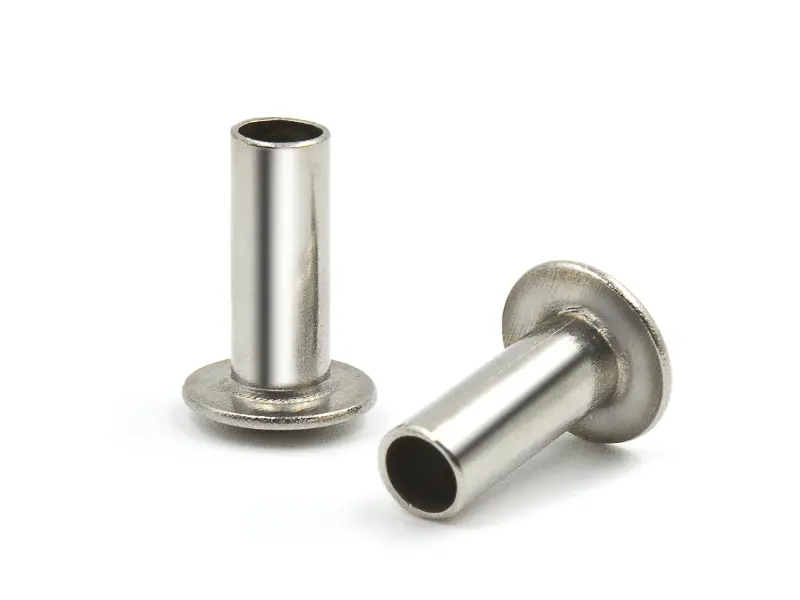
Nity SUS304
Jeśli potrzebujesz niezawodnego nitu, najlepszym wyborem będą nity SUS304 produkowane przez firmę Nuote Metals w Chinach. Jest popularny, ponieważ jest mocny, niedrogi i nie rdzewieje łatwo. Można go używać w wilgotnych miejscach lub na zewnątrz podczas deszczu i będzie dobrze służył przez długi czas. Dzięki temu jest to praktyczna opcja dla niezliczonych projektów.
Czytaj więcejWyślij zapytanieJaka jest przewaga nitów nad innymi elementami złącznymi?
1. Łatwość instalacji
Nity można szybko zamontować, a nawet w pełni zautomatyzować w przypadku zastosowań masowych, co zapewnia prosty i wydajny proces operacji.
2. Niezawodność połączenia
Proces nitowania jest ustandaryzowany i podlega ścisłej kontroli jakości, co skutkuje bardzo stabilnymi połączeniami. Kontrola wzrokowa pozwala na szybką weryfikację jakości połączenia.
3. Odporność na wibracje i uderzenia
Nity łączą się poprzez odkształcenie lub pasowanie wciskowe, zapewniając dużą siłę zaciskania i doskonałą odporność na wibracje, są w stanie wytrzymać wibracje i wstrząsy.
4. Niski koszt
Nity są łatwe w montażu i można je w pełni zautomatyzować, co pozwala zaoszczędzić znaczne koszty pracy.
Jakie są zalety i wady nitów wykonanych z różnych materiałów?
Nity aluminiowe
Zalety: Lekki, zmniejsza całkowitą wagę produktu, niski koszt, odpowiedni do ogólnych zastosowań cywilnych.
Wady: Mała wytrzymałość na rozciąganie i ścinanie, nie nadaje się do przedmiotów obrabianych o dużej wytrzymałości, podatnych na korozję elektrochemiczną w kontakcie z metalami takimi jak stal nierdzewna.
Nity ze stali nierdzewnej
Zalety: Silna odporność na korozję, wysoka twardość, odpowiednia do przedmiotów o dużej wytrzymałości (takich jak sprzęt morski)
Wady: wyższy koszt, zazwyczaj droższy niż nity aluminiowe o tej samej specyfikacji.
Nity mosiężne i miedziane
Zalety: Doskonała przewodność (np. łączenie elementów elektronicznych), dobra odporność na korozję.
Wady: wyższy koszt, trudniejsze w obróbce.
Nity stalowe
Zalety: Wysoka twardość, wysoka niezawodność połączenia i szerokie zastosowanie.
Wady: W porównaniu z innymi materiałami nity żelazne są bardziej podatne na rdzewienie.
Jakie są główne zastosowania nitów?
Nity mają szeroki zakres zastosowań, od małych przedmiotów, takich jak nożyczki, po duże przedmioty, takie jak samoloty i statki, a także w precyzyjnych zastosowaniach medycznych.
Produkcja przemysłowa
Nity znajdują zastosowanie w różnorodnych gałęziach przemysłu, wszędzie tam, gdzie istnieje potrzeba połączenia dwóch lub więcej materiałów.
Elektronika
Nity zabezpieczają radiatory i chipy, zapewniając zarówno tłumienie drgań, jak i redukcję hałasu, i są szeroko stosowane w układach chłodzenia produktów elektronicznych, takich jak komputery i telefony komórkowe.
Automobilowy
Nity są szeroko stosowane do łączenia elementów nadwozi i podwozi samochodów, takich jak drzwi i maski. Ich lekkość i odporność na korozję sprawiają, że są one niezastąpioną metodą łączenia w produkcji samochodów.
Lotnictwo
W produkcji samolotów nity służą do łączenia różnych elementów kadłuba, takich jak skrzydła i stateczniki ogonowe. Miliony nitów tworzą połączenia o wysokiej wytrzymałości i odporności na korozję. Nity ze stopów aluminium i tytanu są często używane do łączenia elementów odpowiednich materiałów, zapewniając stabilność w ekstremalnych warunkach.
Nity są używane wszędzie. Powyższe przykłady przedstawiają jedynie niewielką liczbę ich zastosowań. Nity widzimy wszędzie w naszym codziennym życiu, np. w nożyczkach, składanych łóżkach, wózkach itp. Nity można dostosować do różnych rozmiarów i materiałów, w zależności od zastosowania.
Nuote Metals specjalizuje się w branży nitów od ponad dziesięciu lat. Nasza fabryka znajduje się w Dongguan, mieście znanym jako „Fabryka Świata”, mieście o rozwiniętym przemyśle i wygodnym transporcie. Dzięki temu możemy szybko reagować przy pozyskiwaniu surowców i wspomaganiu obróbki powierzchni, spełniając potrzeby naszych klientów w zakresie szybkiego dostępu do próbek i zamówień masowych. Produkujemy 10 milionów nitów dziennie i posiadamy formy o różnych specyfikacjach, co pozwala nam produkować nity o średnicy od 0,8 mm do 10 mm. Czekamy na Twoje zapytania i wizyty.



X
Używamy plików cookie, aby zapewnić lepszą jakość przeglądania, analizować ruch w witrynie i personalizować zawartość. Korzystając z tej witryny, wyrażasz zgodę na używanie przez nas plików cookie.
Polityka prywatności