Nity
Produkty

- View as
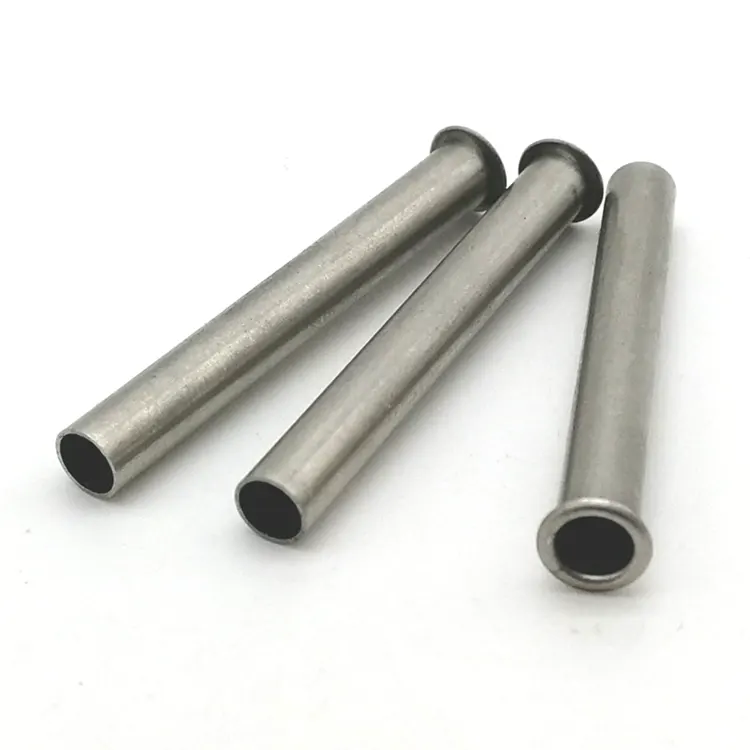
Nity półrurowe stalowe
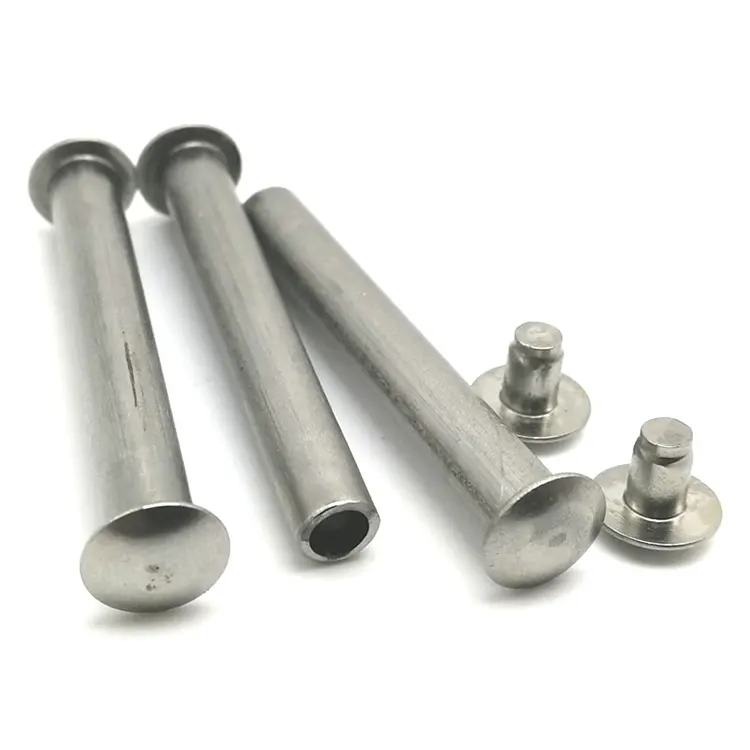
Nity półrurowe stalowe produkowane w fabryce Nuote Metals w Chinach oferują ekonomiczne rozwiązanie w zakresie mocowania do zastosowań w ogólnej produkcji i budownictwie. Nity te wykonane są z wysokowytrzymałej stali węglowej i zapewniają doskonałą odporność na ścinanie w przypadku zespołów o dużej wytrzymałości, takich jak rusztowania, sprzęt rolniczy i meble stalowe. Konstrukcja półrurowa płynnie rozszerza się pod naciskiem, zmniejszając siłę montażową, zachowując jednocześnie mocny chwyt. Dostępne w niestandardowych średnicach, długościach i wykończeniach — ocynkowane, gładkie lub oksydowane na czarno. W przeciwieństwie do stali nierdzewnej, nasze nity stalowe zapewniają porównywalną wytrzymałość w niższej cenie, co jest idealne w przypadku zamówień o dużej objętości. Rozwiązuj ograniczenia budżetowe bez utraty niezawodności. Zaufaj naszej fabryce, jeśli chodzi o precyzję, spójność i terminowość dostaw niestandardowych stalowych nitów półrurowych.
Czytaj więcejWyślij zapytanie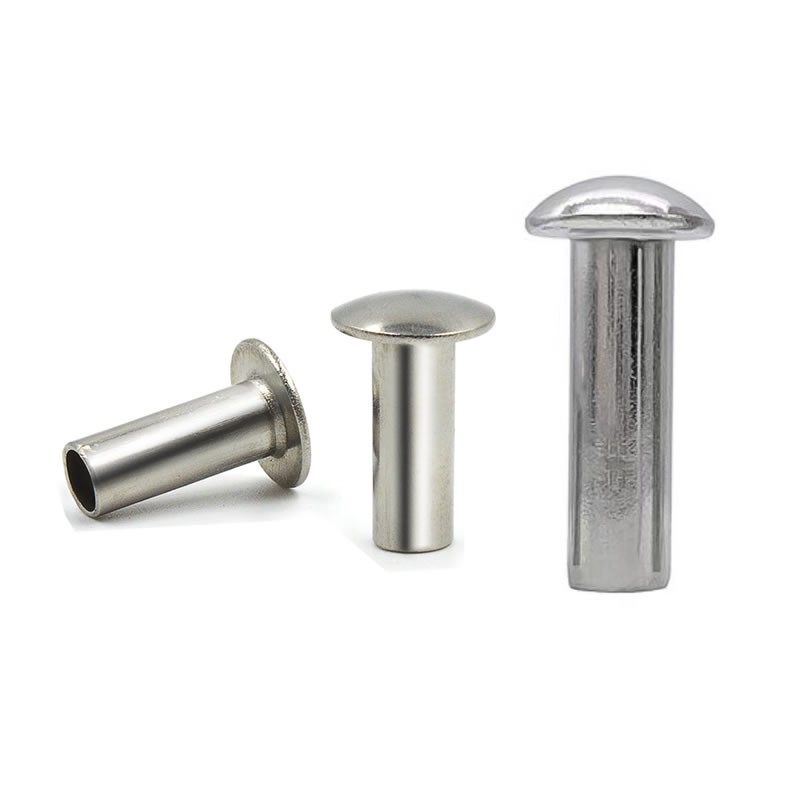
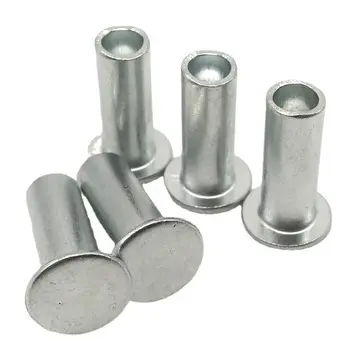
Nity półpuste z łbem okrągłym
Niestandardowe nity półdrążone z łbem okrągłym – w tym specjalizuje się fabryka Nuote Metals w Chinach. Dzięki klasycznej kopułce zapewniającej równomierne rozłożenie obciążenia i półpustemu trzpieniu, który można łatwo zamocować bez użycia nadmiernej siły, nity te nadają się do mebli, wnętrz samochodowych i ogólnego sprzętu. Wybierz spośród stali, mosiądzu lub stali nierdzewnej w niestandardowych wymiarach. Rozwiąż luźne połączenia i pęknięcia materiałów za pomocą naszych precyzyjnie wykonanych nitów. Zaufaj nam, jeśli chodzi o stałą jakość, szybką realizację i dostosowane do indywidualnych potrzeb rozwiązania, które odpowiadają Twoim potrzebom montażowym.
Czytaj więcejWyślij zapytanie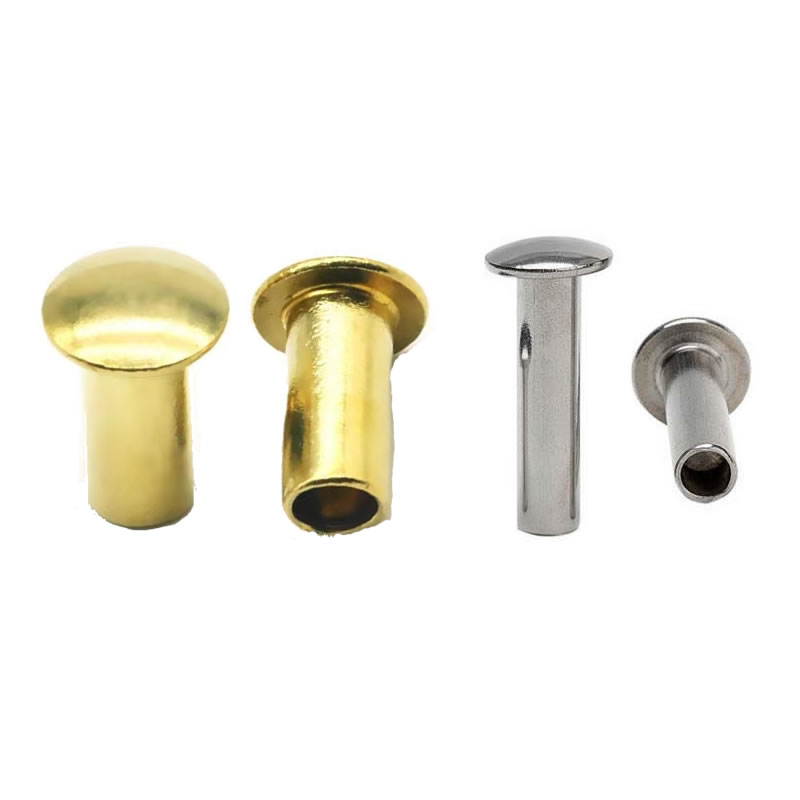
Nity półpuste z łbem płaskim
Aby uzyskać umiarkowanie wypukły łeb, który dobrze przylega do powierzchni, niestandardowe nity półdrążone z łbem stożkowym z naszej chińskiej fabryki Nuote Metals zapewniają zarówno funkcjonalność, jak i wykończenie. Głowica obrotowa zapewnia dobrą siłę mocowania bez konieczności stosowania dużej, pełnej kopuły, podczas gdy półpusty korpus zmniejsza wysiłek związany z wbijaniem i zapobiega uszkodzeniu podłoża. Idealny do obudów elektrycznych, okuć meblowych i wykończeń samochodowych. Dostępne w wersji ze stali, mosiądzu lub stali nierdzewnej. Uzyskaj spójny blask i pewny chwyt za każdym razem. Zaufaj nam, jeśli chodzi o precyzyjnie wykonane nity, które uproszczą Twój proces montażu.
Czytaj więcejWyślij zapytanie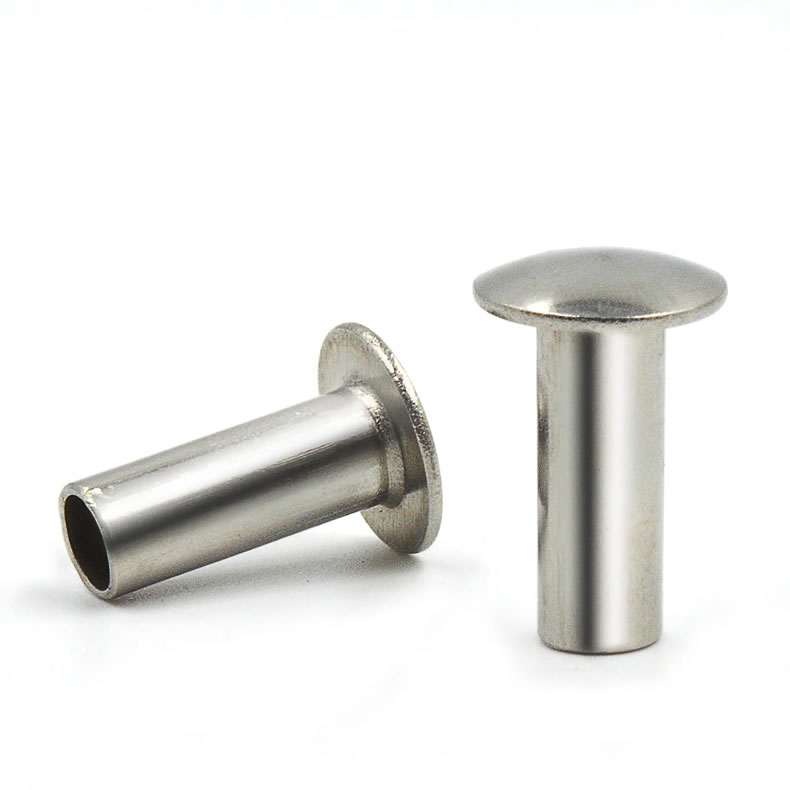
Nity półpuste ze stali nierdzewnej
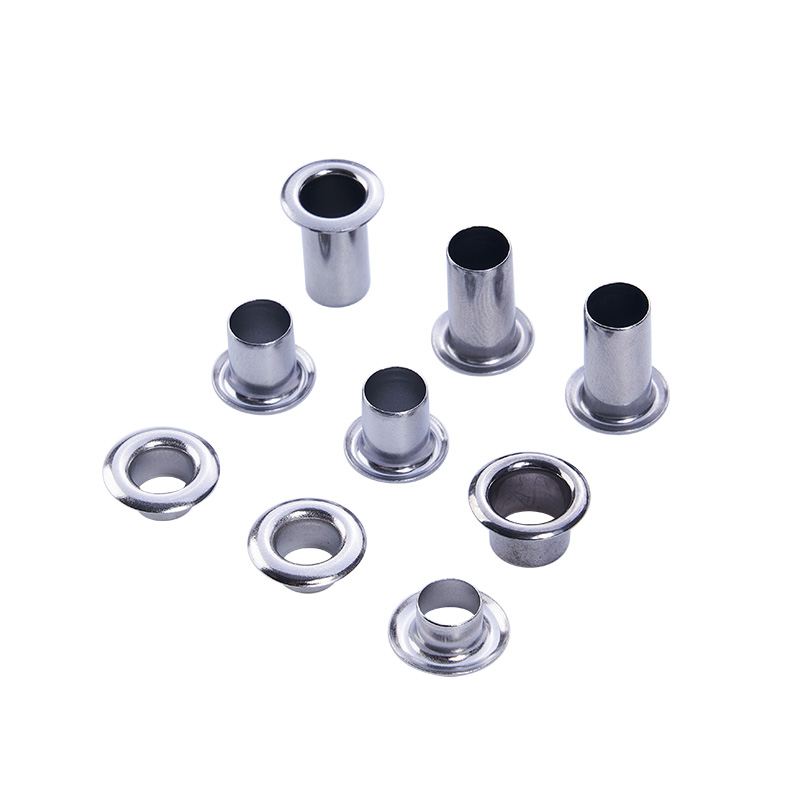
Precyzyjne mocowanie do wymagających zastosowań zaczyna się od niestandardowych nitów półpustych ze stali nierdzewnej firmy Nuote Metals, chińskiej fabryki. Półpusta konstrukcja zmniejsza siłę montażową, a korpus ze stali nierdzewnej zapewnia doskonałą odporność na korozję i wytrzymałość na ścinanie. Idealny do sprzętu morskiego, sprzętu spożywczego i podzespołów samochodowych, gdzie rdza nie wchodzi w grę. Dostępne w klasach 304 i 316. Wyeliminuj słabe stawy i przedwczesną awarię. Zaufaj naszej fabryce, jeśli chodzi o stałą jakość, wąskie tolerancje i szybką realizację zamówień niestandardowych.
Czytaj więcejWyślij zapytanie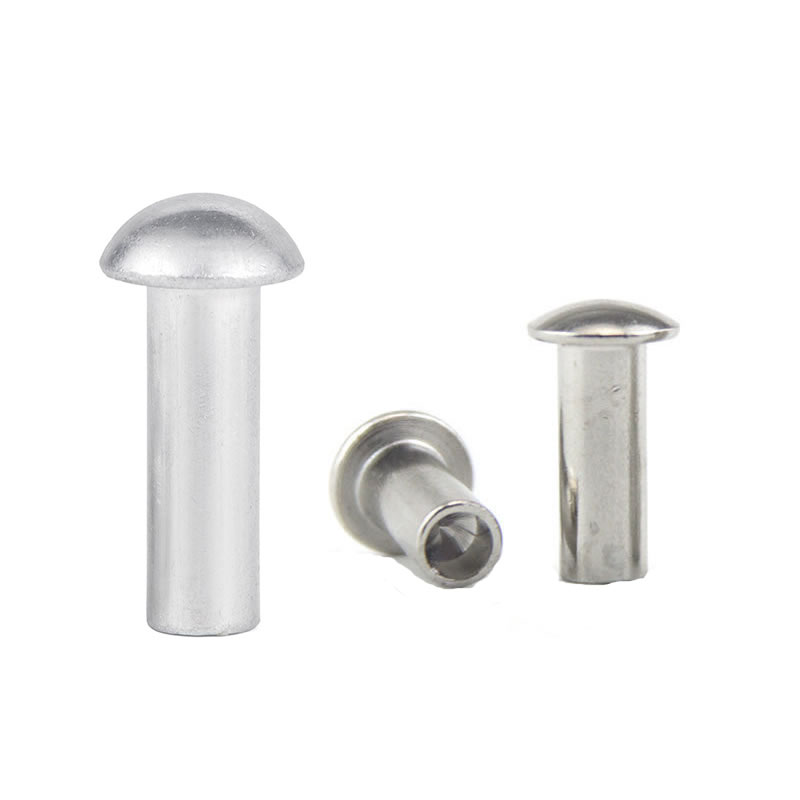
Nity półpuste z łbem grzybkowym
Jeśli Twój projekt wymaga nitu kopułkowego, który równomiernie rozkłada obciążenie, wybierz niestandardowe nity półpuste z łbem grzybkowym z naszej chińskiej fabryki Nuote Metals. Szeroka główka chroni miękkie materiały, takie jak skóra i plastik, przed przeciąganiem, podczas gdy częściowo wydrążony korpus utwardza się przy mniejszej sile. Idealny do bagażu, uchwytów narzędziowych i elementów wyposażenia samochodów. Dostępne w wersji ze stali, mosiądzu lub stali nierdzewnej. Zaufaj nam w zakresie precyzyjnej produkcji, która rozwiązuje awarie połączeń i pękanie powierzchni.
Czytaj więcejWyślij zapytanie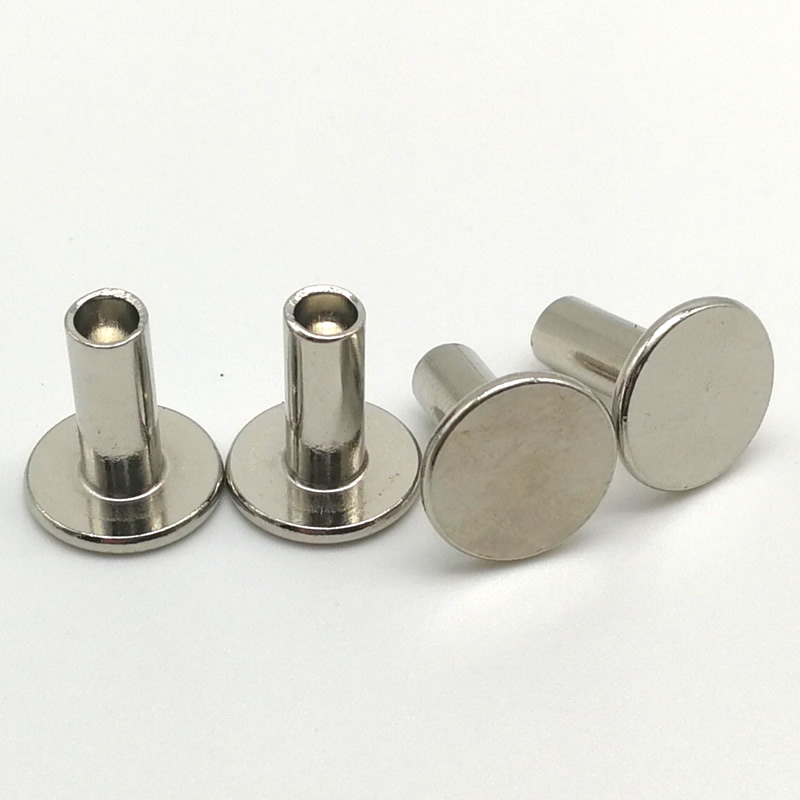
Nity półpuste z łbem płaskim
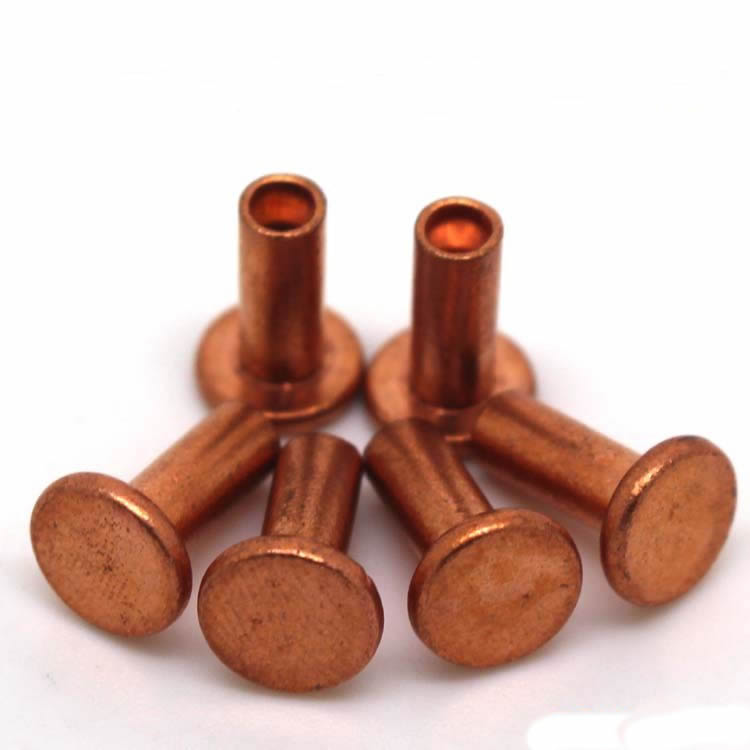
Potrzebujesz rozwiązania do mocowania na płasko? Nuote Metals z Chin, profesjonalna fabryka, oferuje niestandardowe nity półpuste z łbem płaskim. Płaska główka idealnie przylega do powierzchni materiału, idealnie nadaje się do elektroniki, tabliczek znamionowych i paneli samochodowych. Półpusty korpus zmniejsza siłę osadzania, zachowując jednocześnie mocny chwyt, zapobiegając pęknięciom w kruchych materiałach. Dostępne w wersji z mosiądzu, stali i stali nierdzewnej. Eliminuj występy powierzchniowe i uszkodzenia montażowe za pomocą precyzyjnych nitów. Zaufaj nam, jeśli chodzi o stałą jakość, która poprawia wykończenie Twojego produktu.
Czytaj więcejWyślij zapytanieJaka jest przewaga nitów nad innymi elementami złącznymi?
1. Łatwość instalacji
Nity można szybko zamontować, a nawet w pełni zautomatyzować w przypadku zastosowań masowych, co zapewnia prosty i wydajny proces operacji.
2. Niezawodność połączenia
Proces nitowania jest ustandaryzowany i podlega ścisłej kontroli jakości, co skutkuje bardzo stabilnymi połączeniami. Kontrola wzrokowa pozwala na szybką weryfikację jakości połączenia.
3. Odporność na wibracje i uderzenia
Nity łączą się poprzez odkształcenie lub pasowanie wciskowe, zapewniając dużą siłę zaciskania i doskonałą odporność na wibracje, są w stanie wytrzymać wibracje i wstrząsy.
4. Niski koszt
Nity są łatwe w montażu i można je w pełni zautomatyzować, co pozwala zaoszczędzić znaczne koszty pracy.
Jakie są zalety i wady nitów wykonanych z różnych materiałów?
Nity aluminiowe
Zalety: Lekki, zmniejsza całkowitą wagę produktu, niski koszt, odpowiedni do ogólnych zastosowań cywilnych.
Wady: Mała wytrzymałość na rozciąganie i ścinanie, nie nadaje się do przedmiotów obrabianych o dużej wytrzymałości, podatnych na korozję elektrochemiczną w kontakcie z metalami takimi jak stal nierdzewna.
Nity ze stali nierdzewnej
Zalety: Silna odporność na korozję, wysoka twardość, odpowiednia do przedmiotów o dużej wytrzymałości (takich jak sprzęt morski)
Wady: wyższy koszt, zazwyczaj droższy niż nity aluminiowe o tej samej specyfikacji.
Nity mosiężne i miedziane
Zalety: Doskonała przewodność (np. łączenie elementów elektronicznych), dobra odporność na korozję.
Wady: wyższy koszt, trudniejsze w obróbce.
Nity stalowe
Zalety: Wysoka twardość, wysoka niezawodność połączenia i szerokie zastosowanie.
Wady: W porównaniu z innymi materiałami nity żelazne są bardziej podatne na rdzewienie.
Jakie są główne zastosowania nitów?
Nity mają szeroki zakres zastosowań, od małych przedmiotów, takich jak nożyczki, po duże przedmioty, takie jak samoloty i statki, a także w precyzyjnych zastosowaniach medycznych.
Produkcja przemysłowa
Nity znajdują zastosowanie w różnorodnych gałęziach przemysłu, wszędzie tam, gdzie istnieje potrzeba połączenia dwóch lub więcej materiałów.
Elektronika
Nity zabezpieczają radiatory i chipy, zapewniając zarówno tłumienie drgań, jak i redukcję hałasu, i są szeroko stosowane w układach chłodzenia produktów elektronicznych, takich jak komputery i telefony komórkowe.
Automobilowy
Nity są szeroko stosowane do łączenia elementów nadwozi i podwozi samochodów, takich jak drzwi i maski. Ich lekkość i odporność na korozję sprawiają, że są one niezastąpioną metodą łączenia w produkcji samochodów.
Lotnictwo
W produkcji samolotów nity służą do łączenia różnych elementów kadłuba, takich jak skrzydła i stateczniki ogonowe. Miliony nitów tworzą połączenia o wysokiej wytrzymałości i odporności na korozję. Nity ze stopów aluminium i tytanu są często używane do łączenia elementów odpowiednich materiałów, zapewniając stabilność w ekstremalnych warunkach.
Nity są używane wszędzie. Powyższe przykłady przedstawiają jedynie niewielką liczbę ich zastosowań. Nity widzimy wszędzie w naszym codziennym życiu, np. w nożyczkach, składanych łóżkach, wózkach itp. Nity można dostosować do różnych rozmiarów i materiałów, w zależności od zastosowania.
Nuote Metals specjalizuje się w branży nitów od ponad dziesięciu lat. Nasza fabryka znajduje się w Dongguan, mieście znanym jako „Fabryka Świata”, mieście o rozwiniętym przemyśle i wygodnym transporcie. Dzięki temu możemy szybko reagować przy pozyskiwaniu surowców i wspomaganiu obróbki powierzchni, spełniając potrzeby naszych klientów w zakresie szybkiego dostępu do próbek i zamówień masowych. Produkujemy 10 milionów nitów dziennie i posiadamy formy o różnych specyfikacjach, co pozwala nam produkować nity o średnicy od 0,8 mm do 10 mm. Czekamy na Twoje zapytania i wizyty.



X
Używamy plików cookie, aby zapewnić lepszą jakość przeglądania, analizować ruch w witrynie i personalizować zawartość. Korzystając z tej witryny, wyrażasz zgodę na używanie przez nas plików cookie.
Polityka prywatności