Części do stemplowania
Produkty

- View as
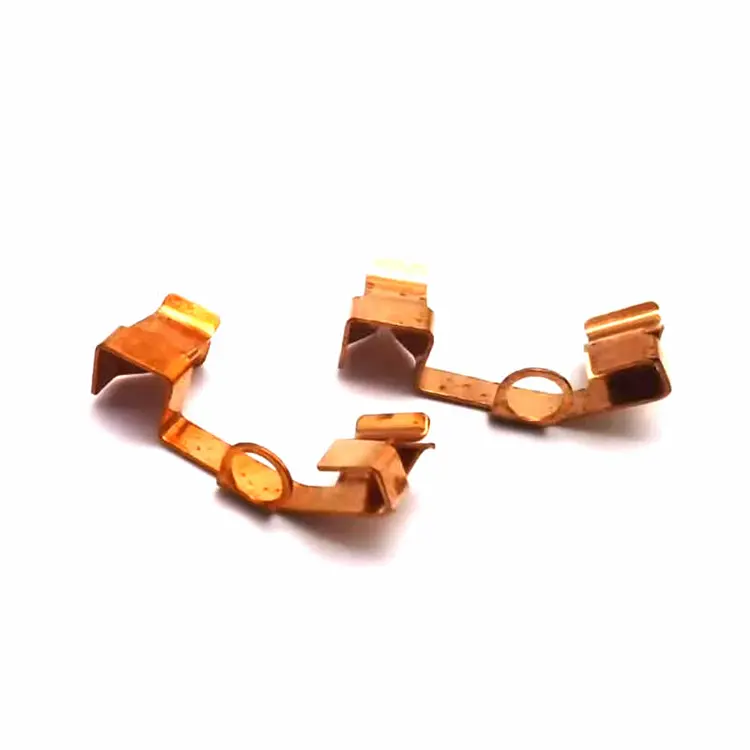
Tłoczenie części do gniazda
Tłoczenie części do gniazda jest wiodącym producentem progresywnych części do tłoczenia metali, części tłoczone są szeroko stosowane w przełącznikach, przekaźnikach, termostatach, stycznikach, rozłącznikach, sterownikach, timerach i innych urządzeniach niskiego napięcia.
Czytaj więcejWyślij zapytanie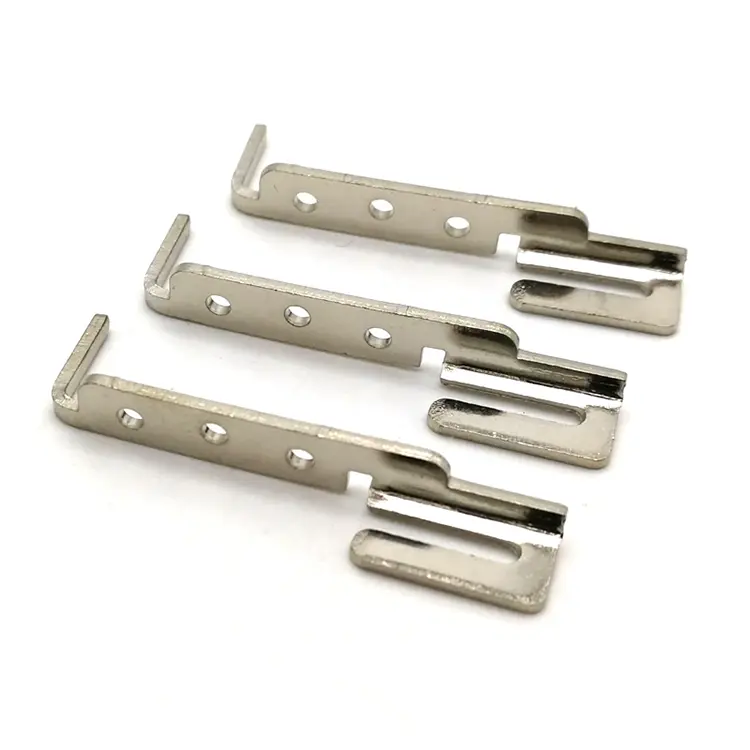
Części tłoczone z metalu
Nuote Metals specjalizuje się we własnej produkcji części tłoczonych z metalu. Posiadamy wewnętrzny zespół ekspertów w zakresie projektowania narzędzi i matryc, budowy, przykładowych operacji na prasach i montażu. Mamy ponad 10-letnie doświadczenie w technikach tłoczenia metali. Prześlij nam swój rysunek w celu uzyskania szybkiej wyceny.
Czytaj więcejWyślij zapytanie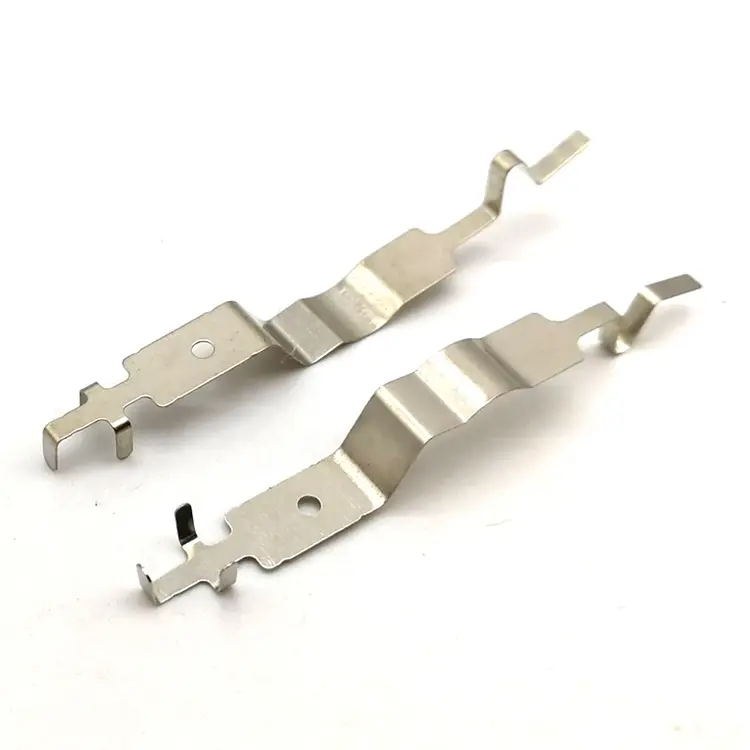
Części do tłoczenia metali
Nuote Metals jest wiodącym producentem niestandardowych części do tłoczenia metali z różnych materiałów podstawowych, takich jak aluminium, mosiądz, stal nierdzewna, miedź berylowa, stal itp. Oferujemy szeroką gamę możliwości precyzyjnego tłoczenia metali, w tym: wykrawanie, gięcie, kucie, formowanie, przebijanie itp.
Czytaj więcejWyślij zapytanie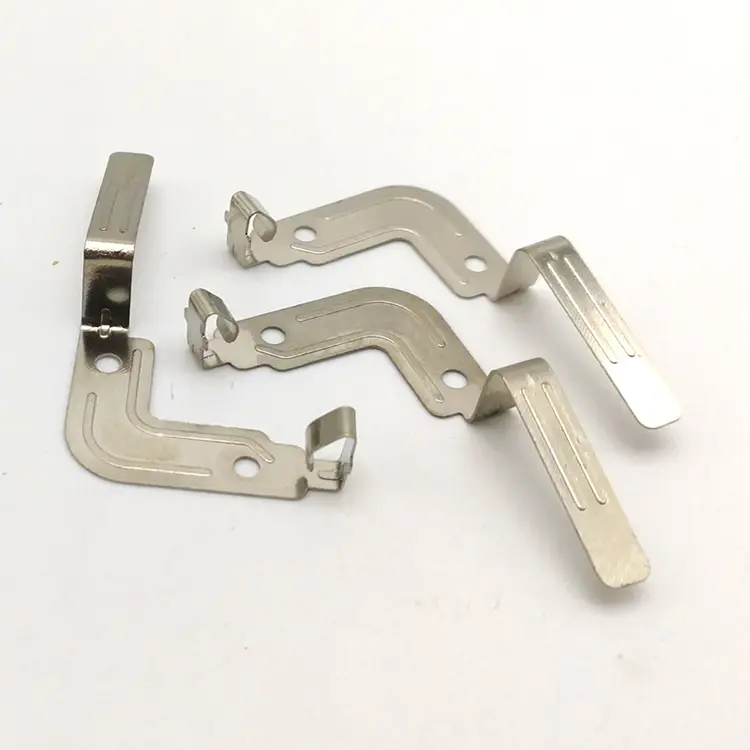
Precyzyjne tłoczenie części metalowych
Nuote Metals może wykorzystywać różne metale do produkcji precyzyjnych części metalowych do tłoczenia. Jednakże niektóre procesy i rodzaje metali sprawdzają się lepiej w procesie precyzyjnego tłoczenia metali lub lepiej nadają się do konkretnego przypadku zastosowania.
Czytaj więcejWyślij zapytanie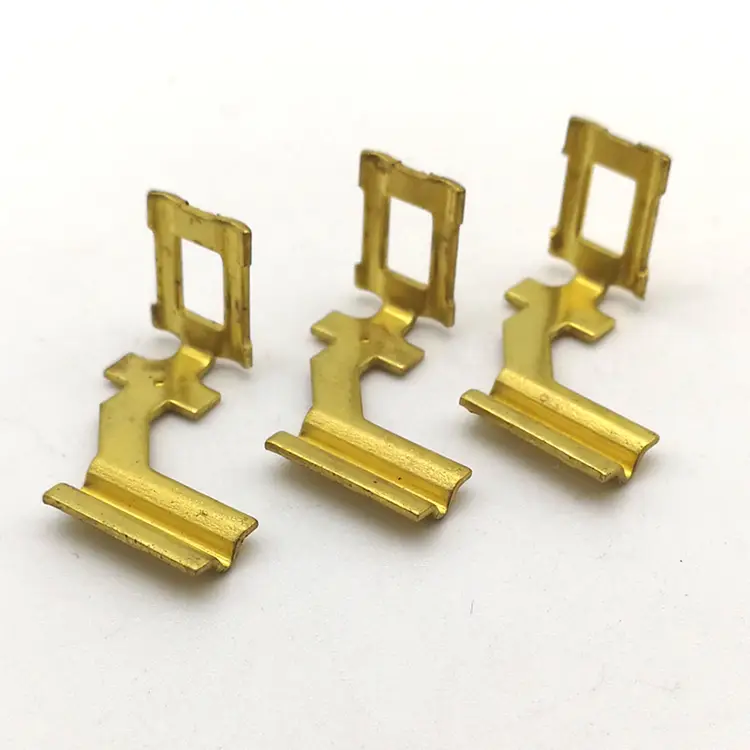
Precyzyjne tłoczenie metali
Nuote Metals to chiński producent precyzyjnych elementów do tłoczenia metali – precyzyjnych części metalowych wytwarzanych przy użyciu tłoczenia progresywnego, złożonego i tłoczenia transferowego. Dzięki prasom o nacisku od 25 do 200 ton obsługujemy takie materiały, jak stal węglowa, stal nierdzewna, aluminium, mosiądz i miedź. Możliwości obejmują wykrawanie, przekłuwanie, gięcie, ciągnienie, wybijanie i wytłaczanie. Certyfikat ISO 9001:2015. Dostępna bezpłatna recenzja i próbki DFM. Skontaktuj się z nami już dziś.
Czytaj więcejWyślij zapytanieSome important factors to keep in mind:
Plasticity and Grain Direction – Plasticity is a measure of the permanent deformation a material undergoes when subjected to stress. Metals with greater plasticity are more susceptible to forming. Grain direction is important in high-strength materials, such as tempered metals and stainless steel. If bending occurs along a high-strength grain, cracking is more likely.
Bending Deformation/Expansion: Bending deformation causes expansion of up to 1/3 of the material thickness. This deformation/expansion becomes more severe as the material thickness increases and the bend radius decreases. Web and "mismatch" cutting: This involves making very slight indentations or protrusions in the part, typically about 0.1mm deep. This feature is not required when using composite or transfer tools, but it is essential when using progressive dies.
Advantages and Limitations of Stamping
Advantages:
- Low cost: In mass production, the cost per part can be reduced to one-third of that of a cast part;
- High consistency: Dimensional tolerances can be controlled within ±0.1mm;
- High material utilization: Through nesting optimization, the utilization rate can reach over 85%.
Limitations:
- Long mold development cycle and high initial investment, making it unsuitable for large-scale production;
- Complex three-dimensional structures (such as hollow crankshafts) require integration with other processes.
Core Application Areas of Stamping Parts
1. Automotive Industry: Accounts for over 60% of total stamping part demand, including body panels and chassis components;
2. Electronics and Electrical: For example, metal mobile phone frames and heat sinks, thicknesses can be as thin as 0.2mm;
3. Home Appliance Industry: Refrigerator panels, air conditioner housings, etc., where surface aesthetics can be enhanced through electroplating or spraying.



X
Używamy plików cookie, aby zapewnić lepszą jakość przeglądania, analizować ruch w witrynie i personalizować zawartość. Korzystając z tej witryny, wyrażasz zgodę na używanie przez nas plików cookie.
Polityka prywatności