Nity
Produkty

- View as
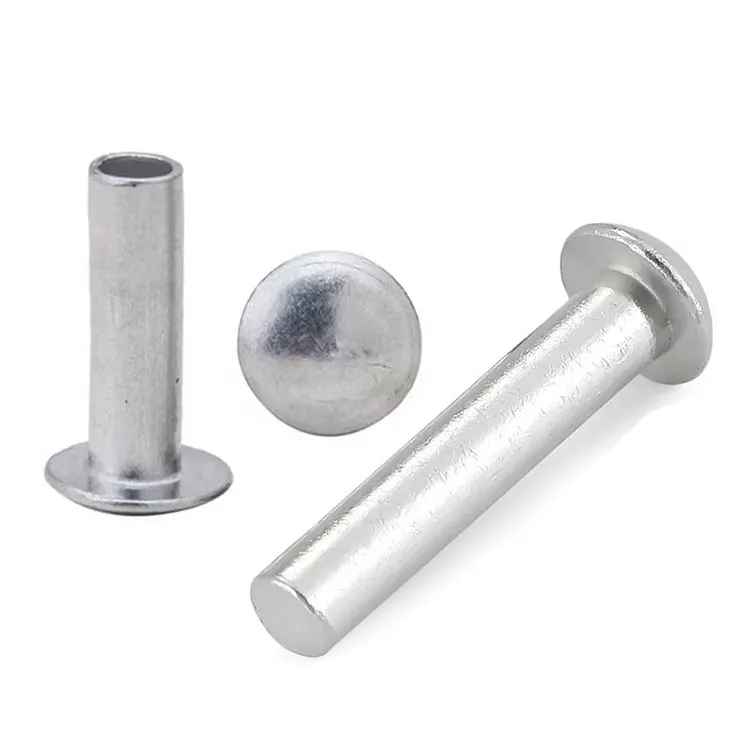
Nity z łbem płaskim
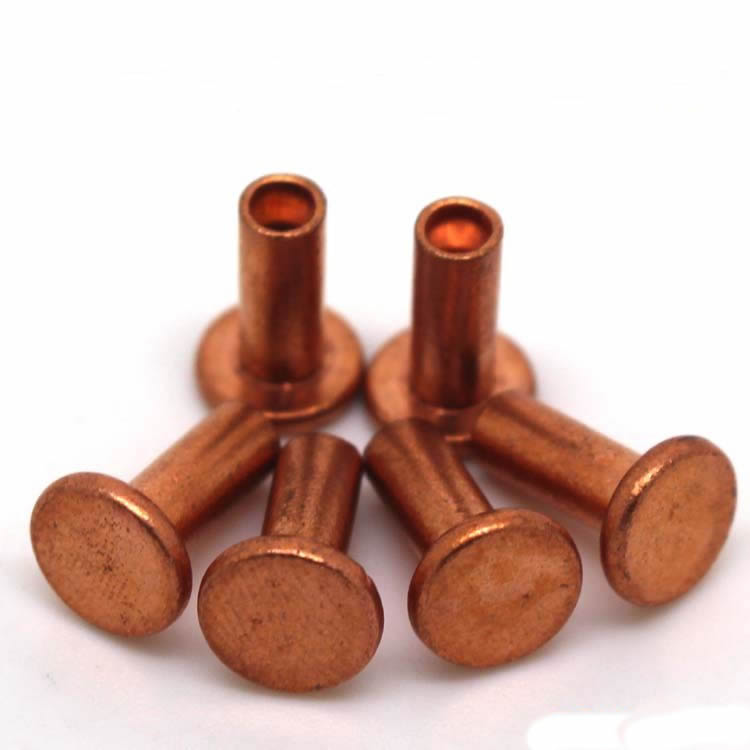
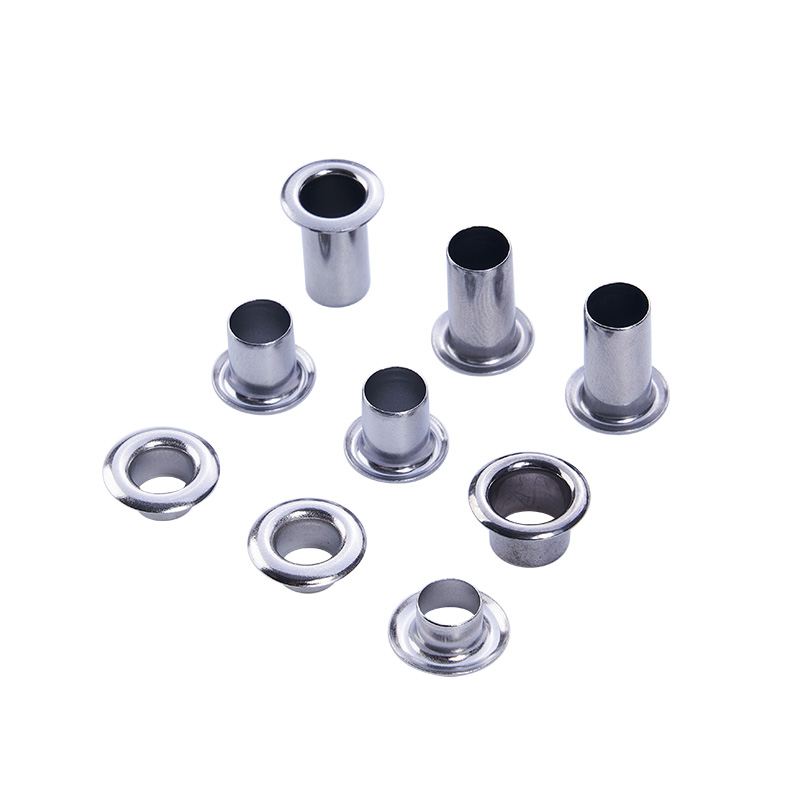
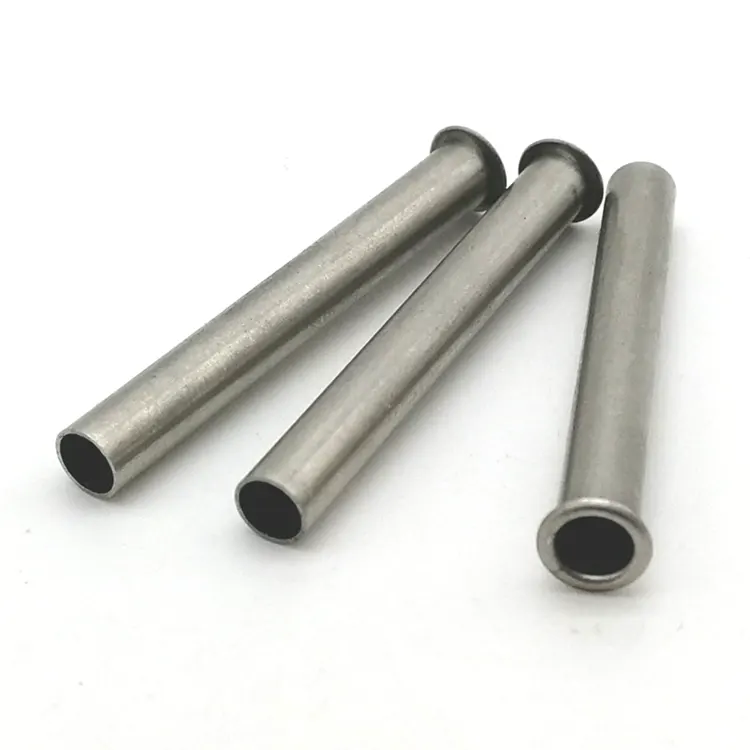
Nuote Metals produkuje nity z łbem stożkowym w wersji pełnej i półrurowej – z kopułą średniej wysokości z krótką prostą ścianą boczną, która zapewnia większą powierzchnię nośną niż łeb okrągły i większą wysokość łba niż łeb płaski. Dostępne w średnicach chwytów 1,5–8,0 mm, pięciu rodzinach materiałów i długościach niestandardowych. Jakość potwierdzona certyfikatem ISO, pełna identyfikowalność i dostępne bezpłatne próbki – skontaktuj się z nami, aby rozpocząć.
Czytaj więcejWyślij zapytanie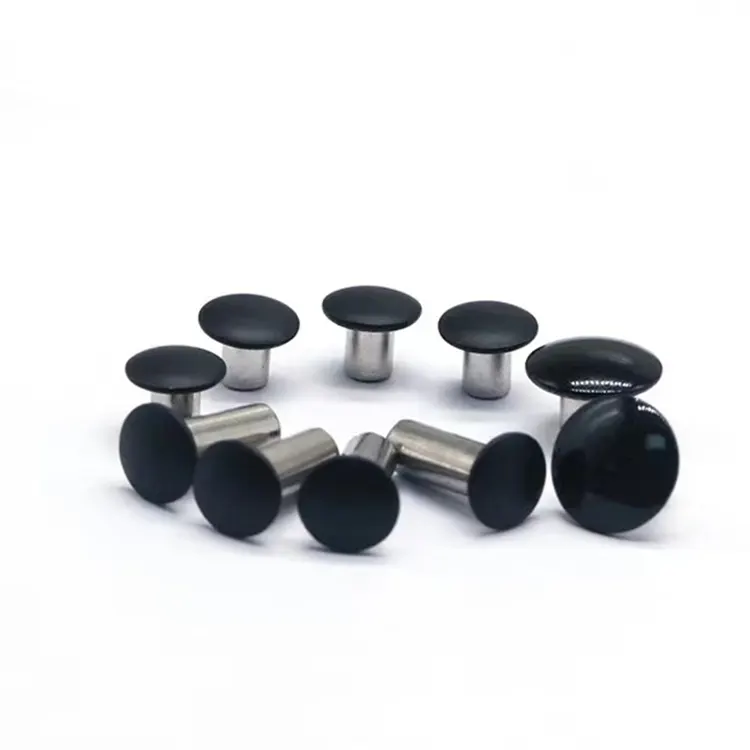
Malowane nity
Nity malowane z malowanym łbem charakteryzują się dużą odpornością na korozję. Warstwa farby, zwykle o grubości 15-25 mikronów, skutecznie izoluje je od wilgoci i środków chemicznych. Testy w mgle solnej pokazują, że nity malowane są odporne na rdzę przez ponad 500 godzin, czyli trzy razy dłużej niż nity niepowlekane. Nuote Metals specjalizuje się w tego rodzaju nitach, jesteśmy zlokalizowani w Dongguan w Chinach.
Czytaj więcejWyślij zapytanie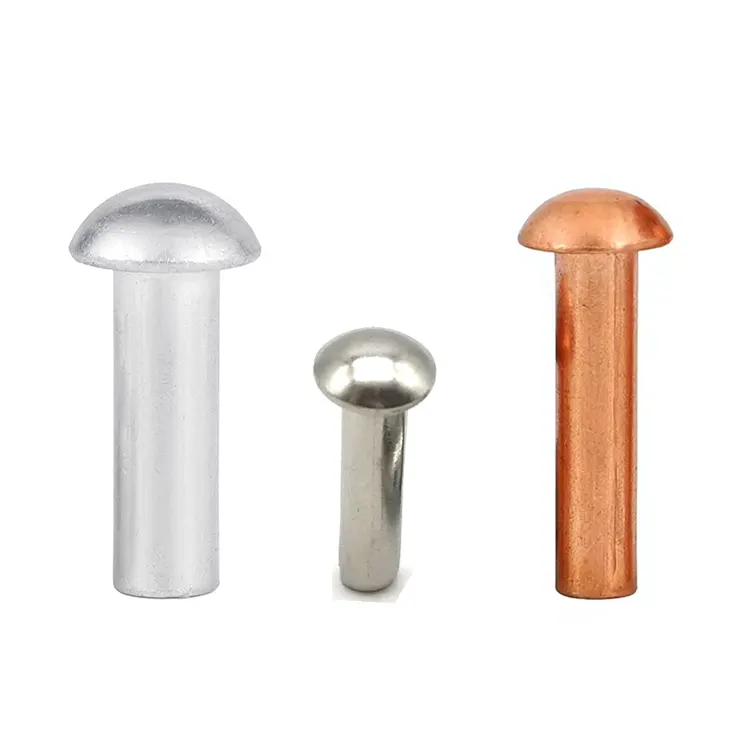
Nity grzybkowe
Nuote Metals to chiński producent nitów grzybkowych w wersji pełnej i półrurowej – z szeroką, delikatnie zaokrągloną kopułą, która równomiernie rozkłada obciążenie bez wcinania się w miękkie materiały. Dostępne w średnicach chwytów 1,5–8,0 mm, pięciu rodzinach materiałów i długościach niestandardowych. Jakość potwierdzona certyfikatem ISO, pełna identyfikowalność i dostępne bezpłatne próbki – skontaktuj się z nami, aby rozpocząć.
Czytaj więcejWyślij zapytanie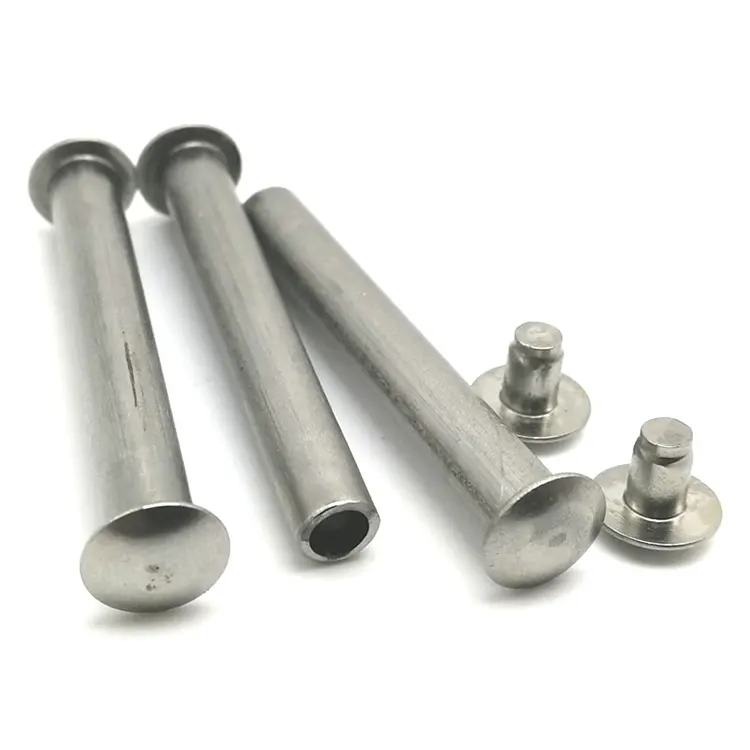
Nity męskie żeńskie
Nuote Metals jest wyspecjalizowanym producentem męskich nitów żeńskich w Chinach. Zaletami męskich nitów żeńskich jest prosty montaż i niski koszt. W porównaniu z innymi metodami łączenia, takimi jak spawanie czy klejenie, nity gniazdowe nie wymagają specjalistycznych umiejętności ani długiego czasu utwardzania. Jednak ich wady są również znaczące: siła połączenia jest ograniczona, co czyni je nieodpowiednimi dla środowisk o dużej intensywności lub wysokich wibracjach. Po długotrwałym użytkowaniu mogą się poluzować i wymagać regularnej kontroli.
Czytaj więcejWyślij zapytanie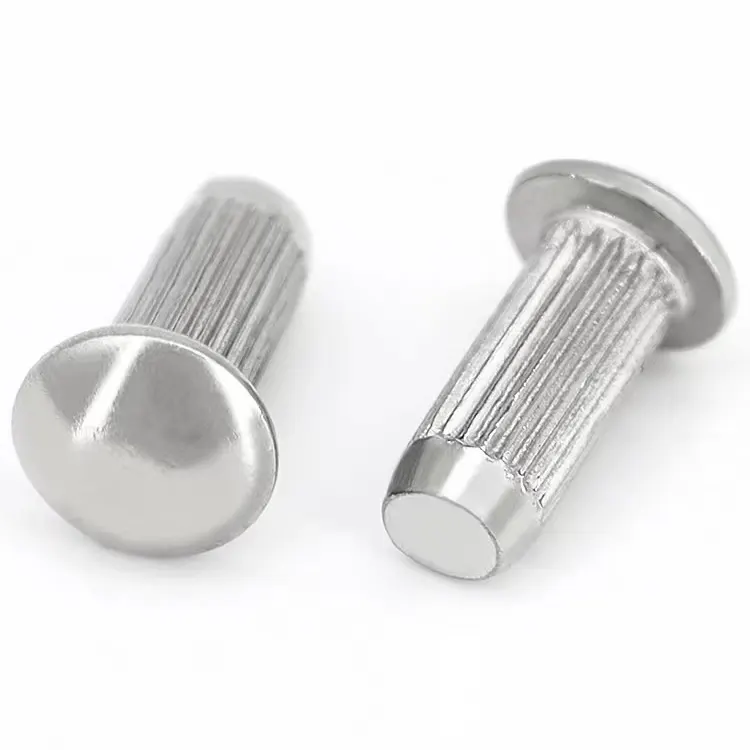
Nity radełkowane
Nity radełkowane składają się zazwyczaj z łba, trzonu i ogona. Trzpień ma ukośny lub prosty wzór radełkowany oraz obrobioną, wytłoczoną teksturę, która zapewnia lepszy chwyt podczas instalacji i zapobiega ślizganiu się narzędzia. Trzpień jest cylindryczny, a jego długość i średnica różnią się w zależności od zastosowania. Typowe rozmiary wahają się od 3 mm do 8 mm średnicy i od 5 mm do 20 mm długości. Ogon może również mieć gwinty lub rowki do połączenia z nakrętkami lub innymi elementami złącznymi.
Czytaj więcejWyślij zapytanie
Nity z łbem okrągłym z żelaza
Nity żelazne z łbem okrągłym są elementami złącznymi szeroko stosowanymi w produkcji przemysłowej i życiu codziennym. Ich unikalna konstrukcja i doskonała wydajność sprawiają, że są one najlepszym wyborem w wielu dziedzinach. Nuote Metals specjalizuje się w produkcji nitów żelaznych z łbem okrągłym. Wymiary naszych nitów ściśle odpowiadają tolerancjom określonym na rysunkach klienta. Każdy proces podlega cyklowi kontroli jakości, aby zapewnić jakość produktu końcowego. Posiadamy dziesiątki maszyn do kucia na zimno, o dziennej wydajności kilkudziesięciu milionów nitów.
Czytaj więcejWyślij zapytanieJaka jest przewaga nitów nad innymi elementami złącznymi?
1. Łatwość instalacji
Nity można szybko zamontować, a nawet w pełni zautomatyzować w przypadku zastosowań masowych, co zapewnia prosty i wydajny proces operacji.
2. Niezawodność połączenia
Proces nitowania jest ustandaryzowany i podlega ścisłej kontroli jakości, co skutkuje bardzo stabilnymi połączeniami. Kontrola wzrokowa pozwala na szybką weryfikację jakości połączenia.
3. Odporność na wibracje i uderzenia
Nity łączą się poprzez odkształcenie lub pasowanie wciskowe, zapewniając dużą siłę zaciskania i doskonałą odporność na wibracje, są w stanie wytrzymać wibracje i wstrząsy.
4. Niski koszt
Nity są łatwe w montażu i można je w pełni zautomatyzować, co pozwala zaoszczędzić znaczne koszty pracy.
Jakie są zalety i wady nitów wykonanych z różnych materiałów?
Nity aluminiowe
Zalety: Lekki, zmniejsza całkowitą wagę produktu, niski koszt, odpowiedni do ogólnych zastosowań cywilnych.
Wady: Mała wytrzymałość na rozciąganie i ścinanie, nie nadaje się do przedmiotów obrabianych o dużej wytrzymałości, podatnych na korozję elektrochemiczną w kontakcie z metalami takimi jak stal nierdzewna.
Nity ze stali nierdzewnej
Zalety: Silna odporność na korozję, wysoka twardość, odpowiednia do przedmiotów o dużej wytrzymałości (takich jak sprzęt morski)
Wady: wyższy koszt, zazwyczaj droższy niż nity aluminiowe o tej samej specyfikacji.
Nity mosiężne i miedziane
Zalety: Doskonała przewodność (np. łączenie elementów elektronicznych), dobra odporność na korozję.
Wady: wyższy koszt, trudniejsze w obróbce.
Nity stalowe
Zalety: Wysoka twardość, wysoka niezawodność połączenia i szerokie zastosowanie.
Wady: W porównaniu z innymi materiałami nity żelazne są bardziej podatne na rdzewienie.
Jakie są główne zastosowania nitów?
Nity mają szeroki zakres zastosowań, od małych przedmiotów, takich jak nożyczki, po duże przedmioty, takie jak samoloty i statki, a także w precyzyjnych zastosowaniach medycznych.
Produkcja przemysłowa
Nity znajdują zastosowanie w różnorodnych gałęziach przemysłu, wszędzie tam, gdzie istnieje potrzeba połączenia dwóch lub więcej materiałów.
Elektronika
Nity zabezpieczają radiatory i chipy, zapewniając zarówno tłumienie drgań, jak i redukcję hałasu, i są szeroko stosowane w układach chłodzenia produktów elektronicznych, takich jak komputery i telefony komórkowe.
Automobilowy
Nity są szeroko stosowane do łączenia elementów nadwozi i podwozi samochodów, takich jak drzwi i maski. Ich lekkość i odporność na korozję sprawiają, że są one niezastąpioną metodą łączenia w produkcji samochodów.
Lotnictwo
W produkcji samolotów nity służą do łączenia różnych elementów kadłuba, takich jak skrzydła i stateczniki ogonowe. Miliony nitów tworzą połączenia o wysokiej wytrzymałości i odporności na korozję. Nity ze stopów aluminium i tytanu są często używane do łączenia elementów odpowiednich materiałów, zapewniając stabilność w ekstremalnych warunkach.
Nity są używane wszędzie. Powyższe przykłady przedstawiają jedynie niewielką liczbę ich zastosowań. Nity widzimy wszędzie w naszym codziennym życiu, np. w nożyczkach, składanych łóżkach, wózkach itp. Nity można dostosować do różnych rozmiarów i materiałów, w zależności od zastosowania.
Nuote Metals specjalizuje się w branży nitów od ponad dziesięciu lat. Nasza fabryka znajduje się w Dongguan, mieście znanym jako „Fabryka Świata”, mieście o rozwiniętym przemyśle i wygodnym transporcie. Dzięki temu możemy szybko reagować przy pozyskiwaniu surowców i wspomaganiu obróbki powierzchni, spełniając potrzeby naszych klientów w zakresie szybkiego dostępu do próbek i zamówień masowych. Produkujemy 10 milionów nitów dziennie i posiadamy formy o różnych specyfikacjach, co pozwala nam produkować nity o średnicy od 0,8 mm do 10 mm. Czekamy na Twoje zapytania i wizyty.



X
Używamy plików cookie, aby zapewnić lepszą jakość przeglądania, analizować ruch w witrynie i personalizować zawartość. Korzystając z tej witryny, wyrażasz zgodę na używanie przez nas plików cookie.
Polityka prywatności